
About Website
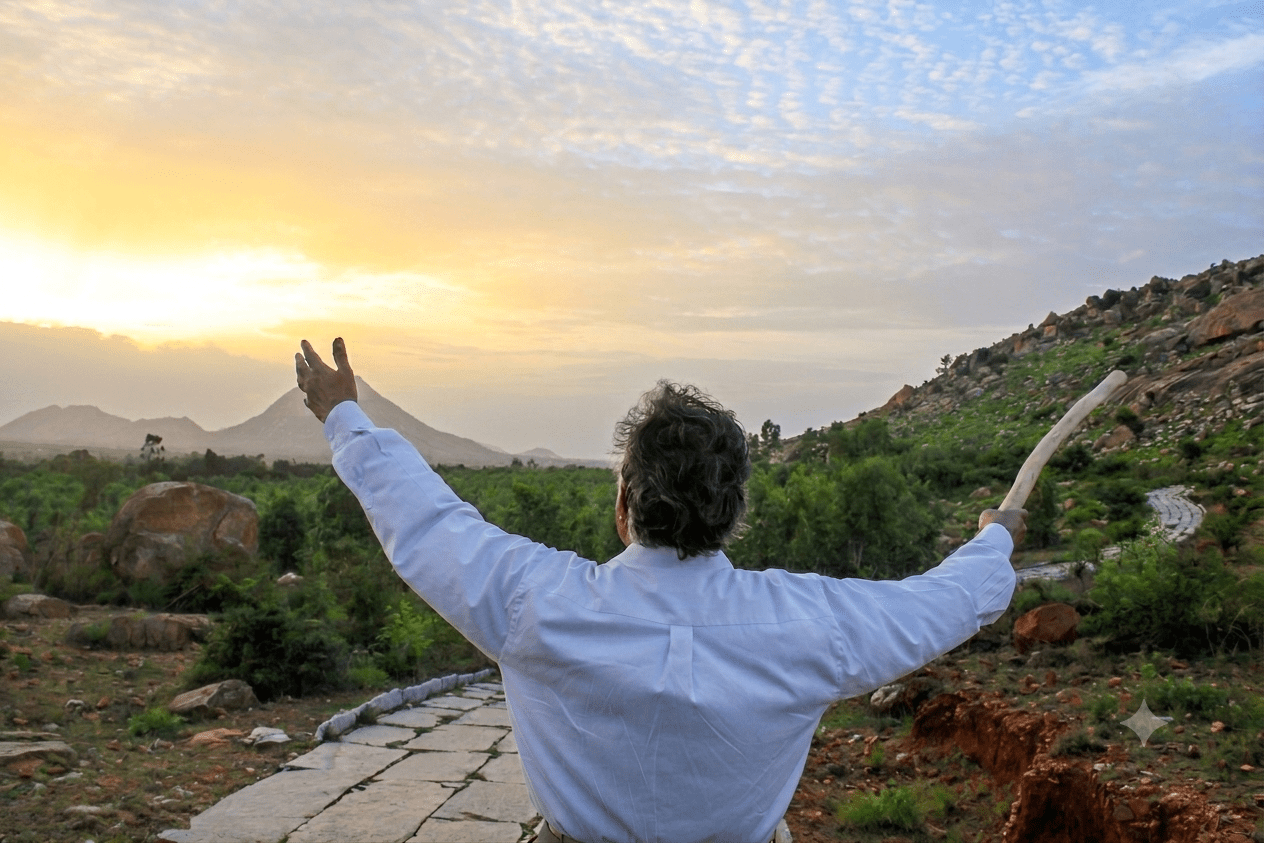
The objective of this Website is to further the evolutionary instincts of Man in Physical, Mental, Philosophical, Spiritual and Social spheres of life.
We wish and hope that you would enjoy this visit. If you find the knowledge herein is beneficial to you, please pass it on to others. Knowledge is for all, without exception.
About Author
The author Mr. M. Mohan Sundar is a an attorney / advocate by profession.
Having deep interest in the philosophy and spirituality of life, he has gone very deep into it and after several decades of his spiritual pursuit at Himalayas, he has brought out his experiences in the form of books and booklets, so that common people can easily practice true spiritual practices like Meditation, etc. and derive immense benefits out of it, not only improving psychologically, physiologically, sociologically but also spiritually.
All is being done free of cost for the well being of mankind in all spheres of life.
He is a karma yogi in life but also preaching Jnana Yoga (path of high spiritual knowledge) to the people who are very much in the worldly life doing their karma yoga.
Table Of Contents
- What is Sanathana Dharma or Hinduism?
- The Concept of Supreme Being / Universal Consciousness / God in Sanathan Dharma
- One Supreme God in Many Many God Forms
- Cosmic Science and Secret Behind Idol / Image Worship
- The Power of the Divine Name
- What are the True Divine Right Spiritual Practices that can Lead a Seeker to his Goal (Moksha) without Deviation.
- An Analysis of the Science of Right Meditation
- 1. Practise of Sanathan Naama Meditation
- 2. Japa Yoga
- 3. Manana/Smarana (Including Devotional Bhajan)
- 4. Shravana
- 5. Homa/Havana
- 6. Other Right Sanathan Spiritual Practises
- Naama Archanam
- Prayer
- Whispers of Wisdom
- How to Overcome Homosexuality ?
- The Eternal Quest
- Life
- Gradual Results of Regular practise of Sahaja Pranayama & Universal Meditation
Note
The words Universal Consciousness, Supreme Consciousness, Cosmic Consciousness, God Consciousness, Universal Self, Supreme Being and Supreme Truth, Supreme Soul and Brahman are all one and the same but used according to the context and circumstances. Further the words like IT, ITSELF, HE, HIM are also used in reference to the Supreme Being according to the convenience and context. There may be a repetition of some of the aspects according to the context and in relevance to the subject.
Spirituality is always Natural & Universal and devoid of any dogmas ; Religion is sectarian ( dogmatic approach to the Supreme Being ).
A prejudiced mind / indoctrinated mind can never realise or attain Supreme Truth / Universal Consciousness / God Consciousness because of its conditioned limitations.
What is Sanathana Dharma or Hinduism?
How to Become a Practising Hindu or Sanathani?
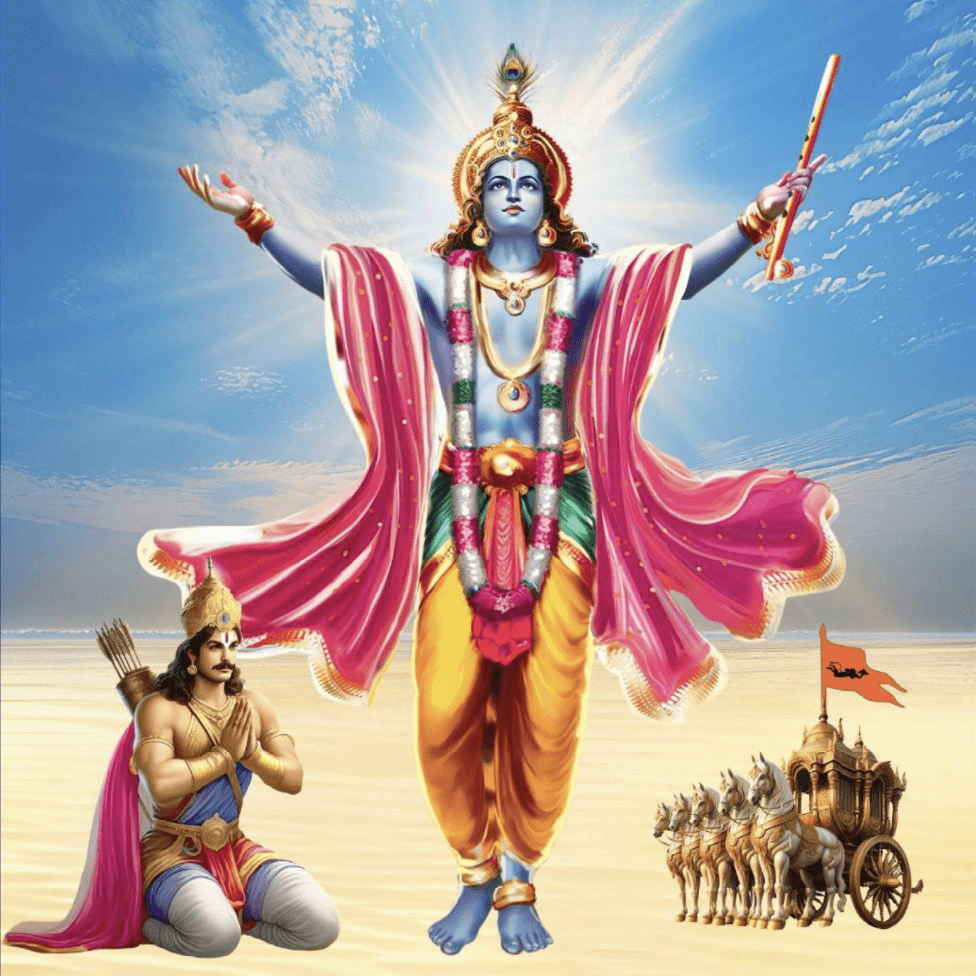
The way of life envisaged for the people of Bhaarath (India) by the divine incarnations, and by their enlightened great sages and saints of yore who had fully aligned to the Supreme Being, from time immemorial is known as “SANATHANA DHARMA”. ‘Sanathana’ in Sanskrit means eternal, everlasting, non changing and ‘Dharma’ means a comprehensive righteous way of life. Therefore, Sanathana Dharma simply means, “a way of life that leads human beings in the spiritually evolutionary direction (towards higher spiritual orders of life and ultimately towards Moksha i.e. eternal and everlasting state in the Supreme Being /God/Universal Consciousness by dissolving oneself into IT )”.
Dharma never means Religion as professed in the ordinary sense. Religion is a set of Do’s and Don’ts prescribed rightly or wrongly by it’s founder for his followers demanding unquestioning faith and loyalty to his teachings, and with certain punishments for not following them. In this sense Sanathana Dharma is NOT a religion, for it has neither a founder nor a beginning. It is as natural as Nature is. Truly, there cannot be one mortal man laying foundation for a way of life for an entire community/humanity.
Further, Sanathana Dharma is not wedded to or limited to any one man’s spiritual thought process. It is the collective spiritual wisdom (amalgam) of several god incarnations which have offered Supreme Knowledge and Wisdom for complete Spiritual evolution and also that of infinite number of enlightened great sages, saints and philosophers of Bhaarath, from time immemorial. Therefore, it is NOT a religion but a spiritually cultural way of life of Hindus in a very broader sense meaning Spiritual evolutionary phenomena is embedded in the cultural way of life itself. Therefore, Hindu culture in itself is Spiritually evolutionary by nature. It is Eternal and Universal as nature is, and all encompassing, and always catering to the evolutionary instincts of human beings at varied levels. Thus the Spiritual Knowledge offered by Sanathana Dhama is comprehensive.
“ Sanathana Dharma ” is also known as Hinduism . It is generally believed that the invaders from the north west frontier of the subcontinent who invaded India in the recent historical time, called the civilization beyond Sindhu river as Hindu and it became the name of Sanathana Dharma.
Sanathana Dharma envisages four directive principles to the way of life of the followers of Sanathana Dharma. They are namely, DHARMA (a comprehensive righteous way of living), KARMA (The sum of good and bad actions that binds an entity to the creation or the world to take birth again and again), PUNARJANMA (rebirth to workout one’s accumulated good and bad karma of past lives) and MOKSHA (disseminating into the Supreme Being / God forever without any further birth).
One who leads life in accordance with Dharma (righteous way of living) i.e., living in complete harmony with nature, respecting every aspect of nature, following the divine principles like love, compassion, non-violence mentally and physically except for self protection or for protecting the dependents or protecting the nation or for fighting the evil in the society and for establishing the righteousness (Dharma like in Mahabharatha war – “ Ahimso Paramo Dharma; Dharma Himsa Tathaivacha ”, violence in all praportions is justified in order to establish righteousness in the society) and doing charity, doing allotted or accepted duties in the right and dedicated way (with application, dedication and discipline), service to the Supreme BEING by way of serving the fellow- beings, abstaining from cheating or foul play by way of deceit, maliciousness, jealousy, controlling six negative traits like improper unholy desires, excessive anger, constricted state of mind, infatuation, uncontrolled egoism, etc., and always following the principles of justice and morality, equality and humanity and practising right spiritual practices like devotion to the Supreme BEING, Meditation on the Supreme Being, Worship, Prayer etc. will not get one into Karma which is the cause for re-birth (Punarjanma). Those who do not lead life in accordance with Dharma shall get into the bondage of Karma ( action and reaction phenomena) and therefore take birth again and again (Punarjanma) to work out their Karma.
Vedas and Upanishadhs are complementary to Dharma. Without following Dharma if one becomes proficient follower of Vedas, Vedic practices and study of Upanishadhs they become less relevant because the practitioner is missing a vital aspect of following Dharma which can alone inject life into the Vedic practices.
It is necessary to understand the principle of karma to understand life itself. Some philosophies have the concept of only one birth and no more. If that is so, then God/ Supreme Being is a highly discriminating entity and there will be no explanation why a human being is born blind by birth, physically handicapped by birth. Some born as rich, some born as extremely poor, some born in fair color, some born as dark color, some as tribes, some with various talents like singing, dancing, painting etc. some are born with unknown deadly diseases, some are born healthy, some in life become achievers and some others as great failures in life etc. and etc. This discrimination by God makes him a cruel entity and also against human beings because he has discriminated against various human beings not treating alike, but this is not the truth.
Supreme Being (God) has equanimity towards all Beings (human beings and animals) and HE is the epitome of Supreme Kindness and equanimity. Therefore, here comes the principle of Karma (accumulated action and reaction of past lives). Unless we realise the existence of past lives and good and bad actions in those lives, the disparity mentioned above can never be understood. This principle of Karma can alone explain why each individual is differently born as mentioned earlier. In Sanathan philosophy the entire life and the happenings in life are based on one’s own karma only. Similar to Karma is relationships in each one’s life which is called as Runa (emotional debt) to each other in past lives. Karma and Runa are the two wheels which drive the life of human beings or animal beings. This Karma and Runa have to be worked out in every particular life. Therefore this knowledge of Karma and Runa is vital to be understood by every person.
Those who lead life according to Dharma, incur no new Karma if they are careful, and also wipe out the accumulated Karma of the past lives through right spiritual practises. When left with no Karma, there will be no cause to take rebirth (Punarjanma). Freeing oneself from all types of Karma is known as Mukthi (liberation from the bondage of action – reaction phenomena ). Then, the Individual Consciousness (soul or ego) dissolves into the Universal Consciousness (attaining eternal rest from the cycle of births and deaths). This is called Moksha meaning dissolution or infusing of Individual Soul into Universal Soul i.e. God forever. Moksha is nothing but the process of Individual Consciousness transcending (going beyond) the cosmic sound AAUM/OM through Right Spiritual Practices like taking Sanathan Gods names which are nothing but cosmic codes that can transcend the Cosmic Sound AAUM/OM to reach the abode of God for eternity and never return to the cycle of birth and death. Therefore Sanathana Dharma is fundamentally based on the principles of Dharma, Karma, Punarjanma and Moksha. These are the four fundamental PILLARS of Sanathana Dharma and this is the definition of Sanathana Dharma where the way of life of Hindus is moulded around these pillars, with underlying cosmic science and spirituality through their cultural way of life. Therefore, Hindu cultural way of life is spiritual in nature and not blind beliefs as pseudo intellectuals deliberately propagate.
“Spiritual saadhana (pursuit) in Sanathana Dharma is the return journey of the Individual Soul to its origin ( God/Universal Consciousness ) and not for attaining hell or heaven i.e. not to revolve around the cycle of birth and death but to attain Moksha”. – TATH SATH
Moksha is attainable only by following the path of DHARMA (comprehensive righteous way of life). Following the path of Dharma leads to the knowledge of philosophy of life. This knowledge in turn leads to MEDITATION. Sincere, devotional and regular meditation on God (Universal Being), ultimately results in Moksha. Only Meditation is capable of purifying the accumulated karma of innumerable births. Thus Dharma and Meditation are the key to Moksha, as envisaged in Shloka 21 of chapter 16 of Garuda purana by name Moksha Dharma Nirupanam.
The Concept of Supreme Being / Universal Consciousness / God in Sanathan Dharma
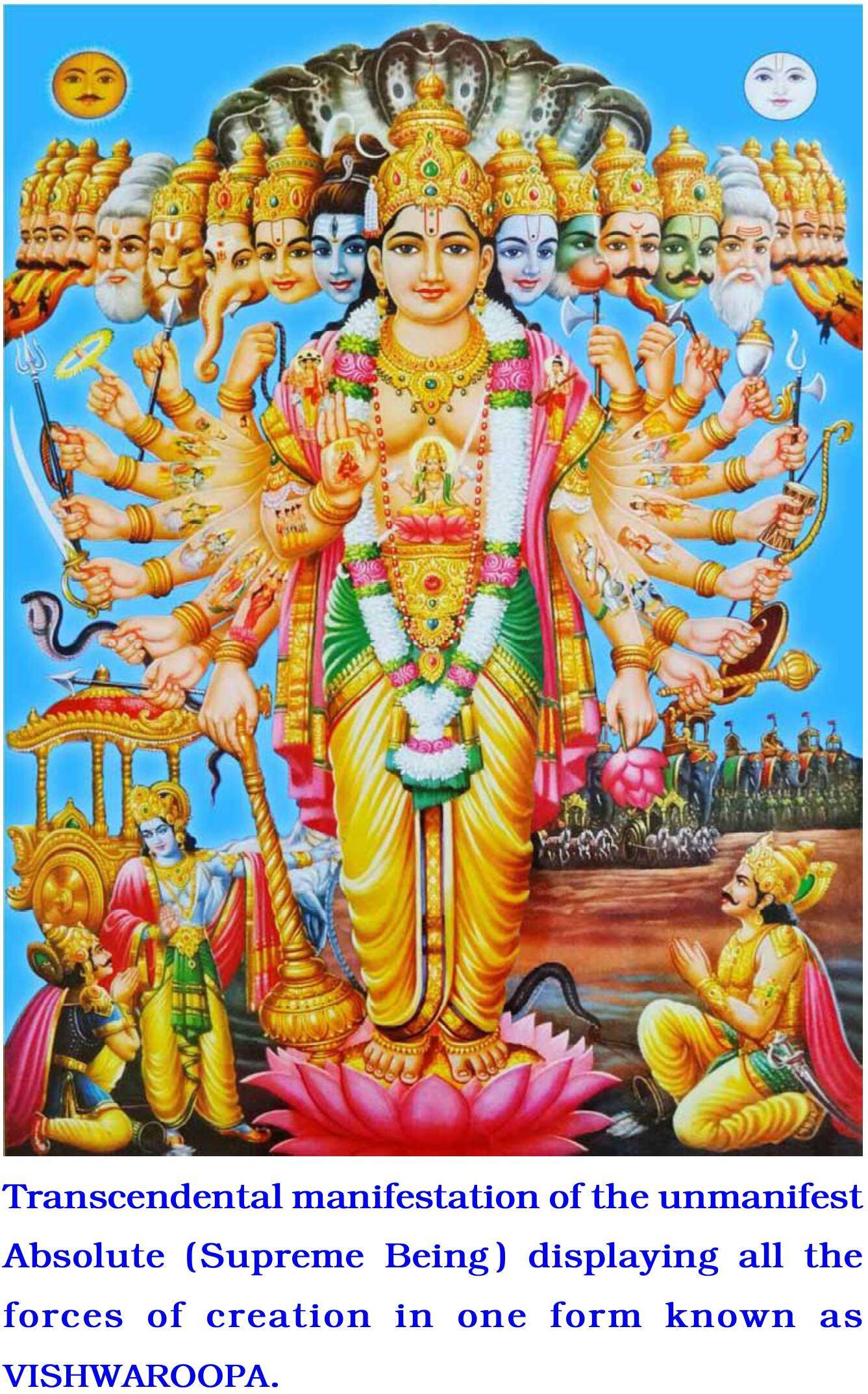
Sanathana Dharma ( Hinduism as called by invaders) envisages One Supreme God/ Supreme Truth / Supreme Consciousness known as Brahman. This Brahman is formless, all pervading, all knowing, Omnipresent, Omnipotent, Omniscient, non-changing eternal ONE without a Beginning or Ending. This formless Brahman is beyond time and space and IT is of Supreme Peace and Bliss and in live Silence. It is static yet dynamic. This Supreme Brahman (God) has expressed ITSELF as creation comprising multiverse, multi dimensional universe with living and non-living beings subjecting to time and space. The time and space are also created by the same Supreme Brahman. As the creation has manifested from the Supreme Brahman, the creation is automatically made up of the same Brahman therefore the creation is worshipable with due honour and respect (not to be destructive towards creation). This means the creator is in the creation and also beyond the creation because all aspects of the creation are within the creator ( Vishwaroopa-Multiverse expressed form of the Supreme Being ).
This Supreme Brahman has also expressed ITSELF in many many Godforms which are in their manifested form at finer and finer levels of creation and they operate, administer and maintain the creation and the Brahman which has expressed ITSELF in the creation within time and space also remains in absolute blissful silence and peace, remaining static beyond the creation. Therefore scripture of Sanathana Dharma proclaim “Antherbahishcha Tath Sarvam Vyapya Naaraayana Sthithaha” meaning God is pervading both within the creation and also beyond the creation. Therefore in essence the Brahman is eternal, everlasting, non changing Supreme Being without a beginning, middle or end and it is both finite and infinite in nature (HE is everywhere in everything yet HE is beyond). The Individual Consciousness / Soul / Aathma has its origin from this Supreme Brahman and finally it has the return journey to its origin and this return journey is nothing but the spiritual evolution to disseminate into the Supreme Brahman and not to return into the cycle of births and deaths, just as a river joining the sea losing its individuality and becoming the sea which is ever there. This state is termed Moksha and Sanathana Dharma envisages this state to be attained by every Individual Consciousness/ Aathma/ Soul.
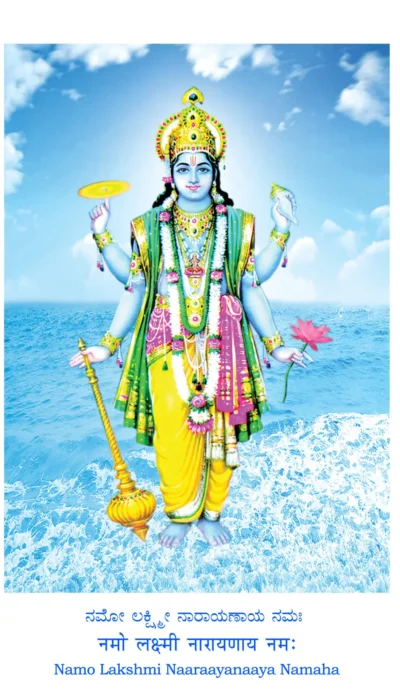
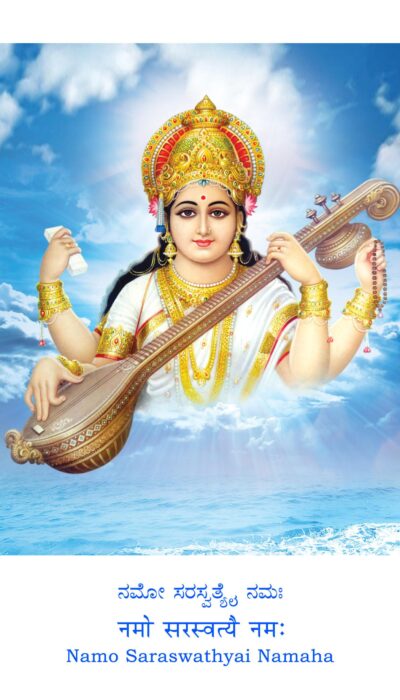
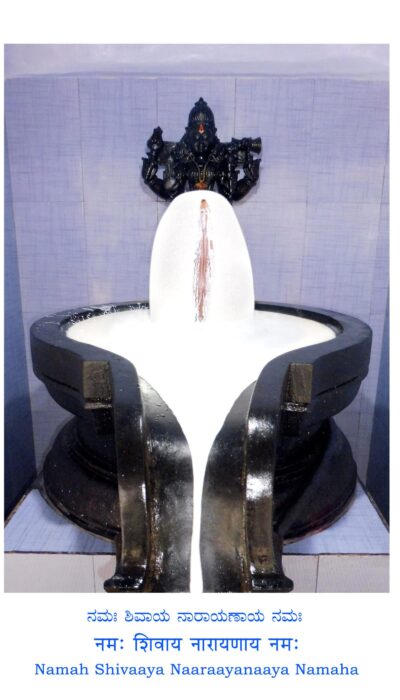
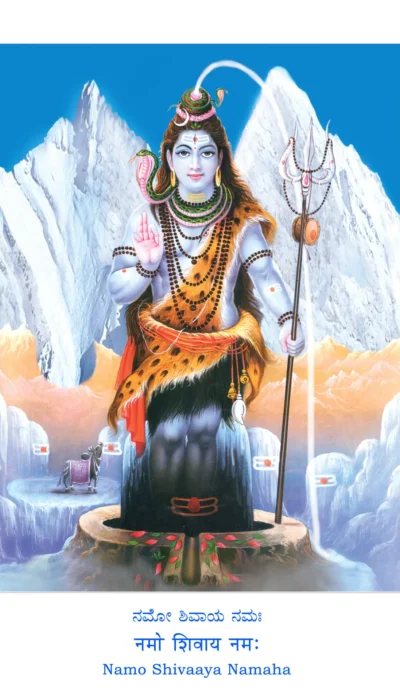
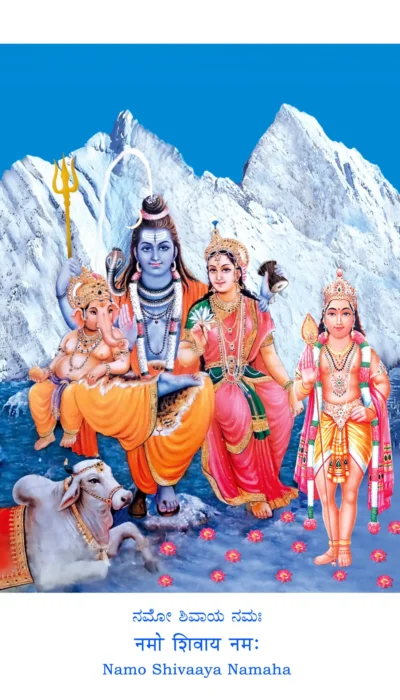
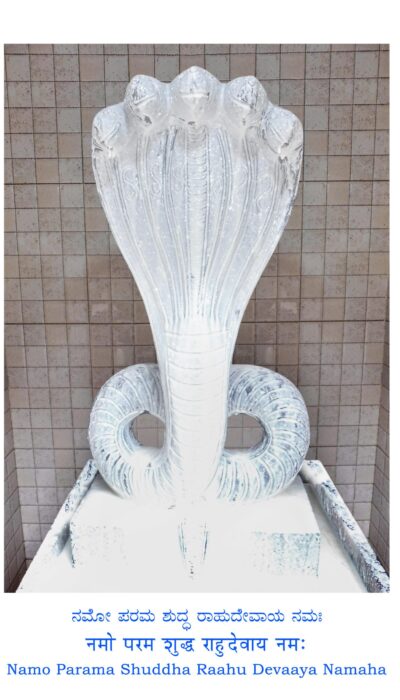
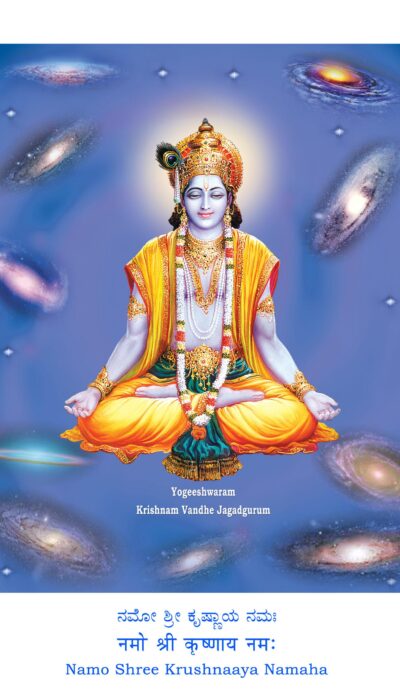
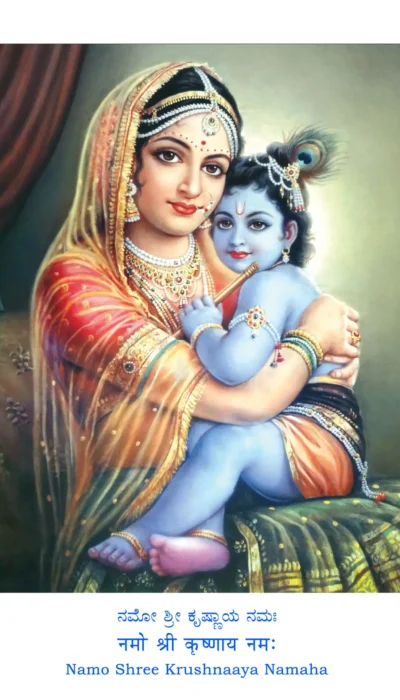
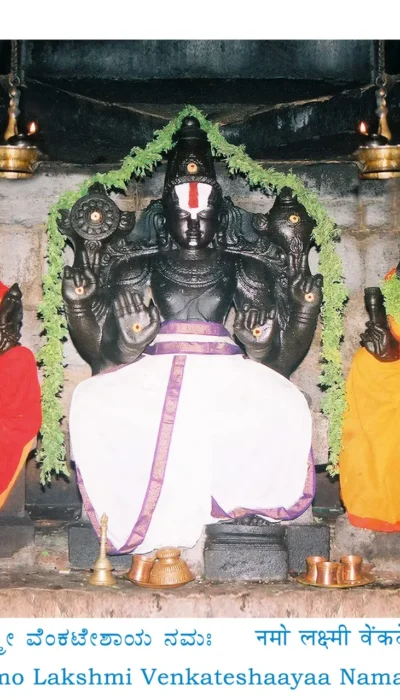
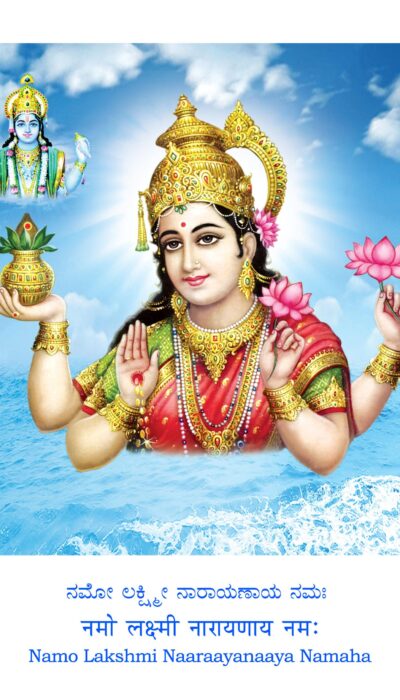
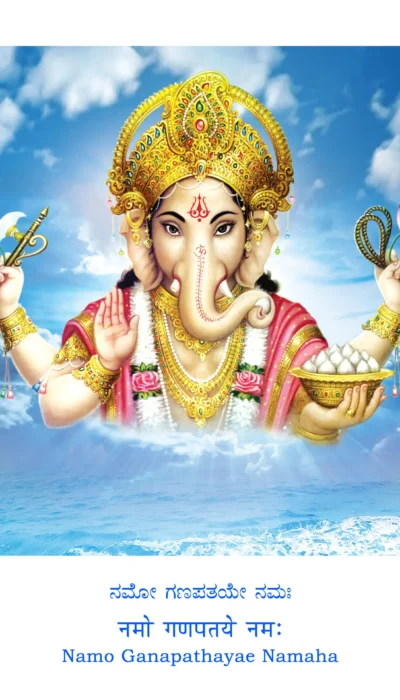
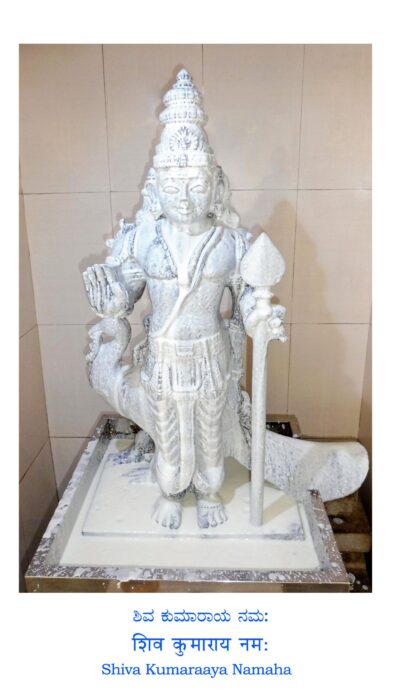
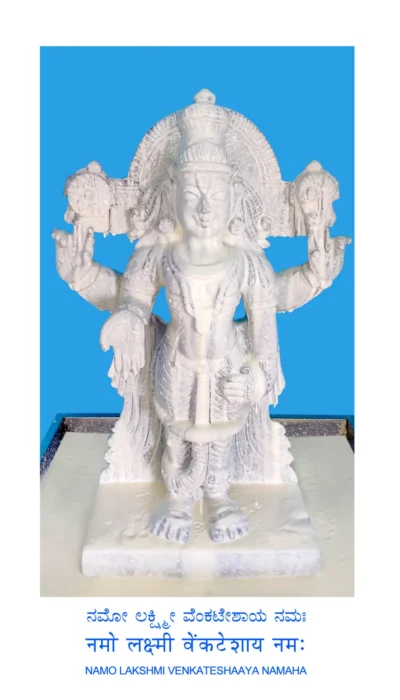
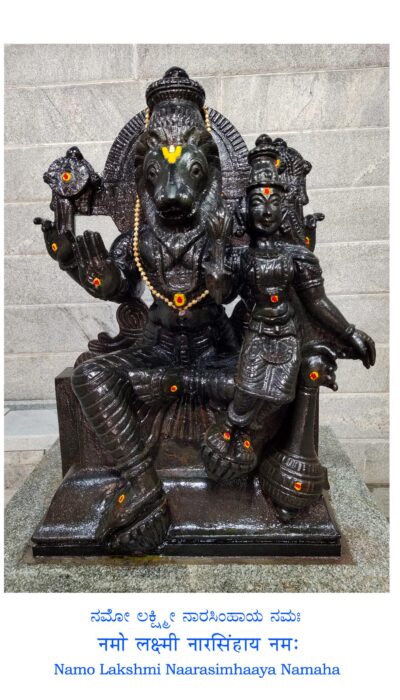
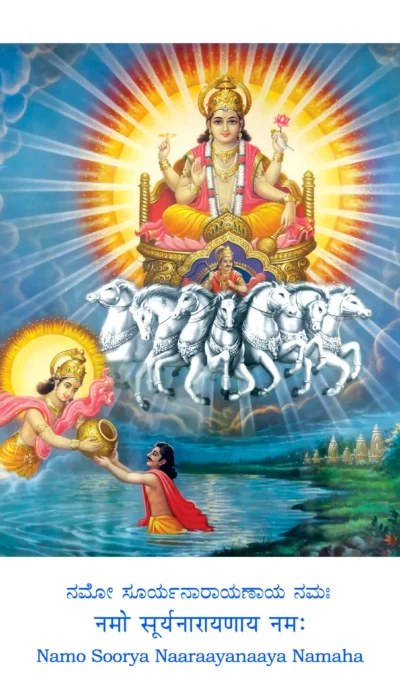
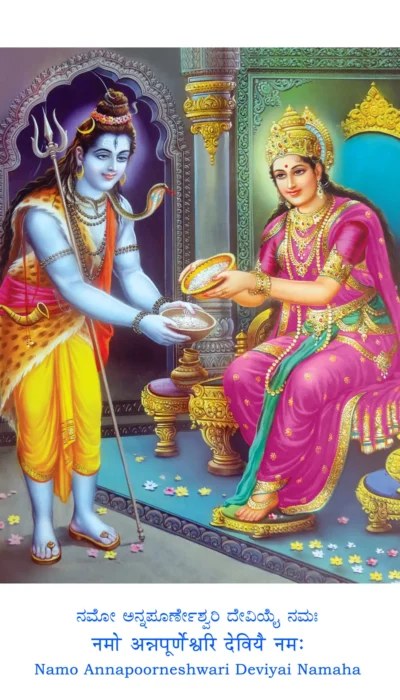
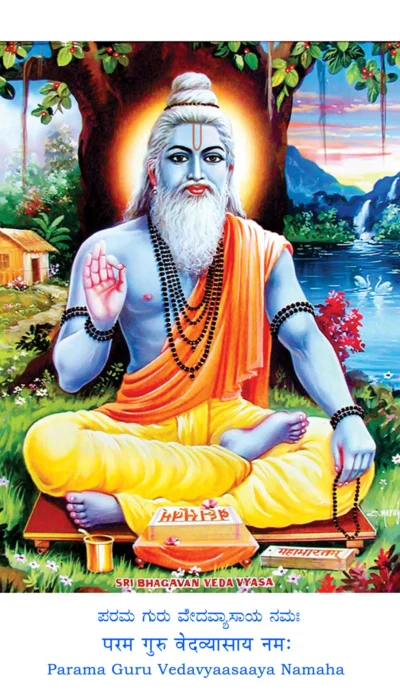
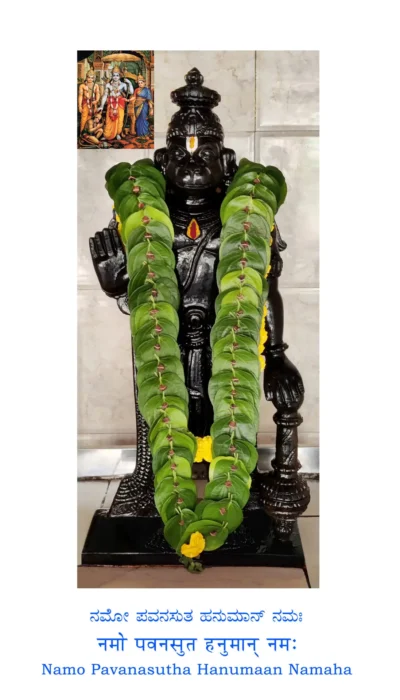
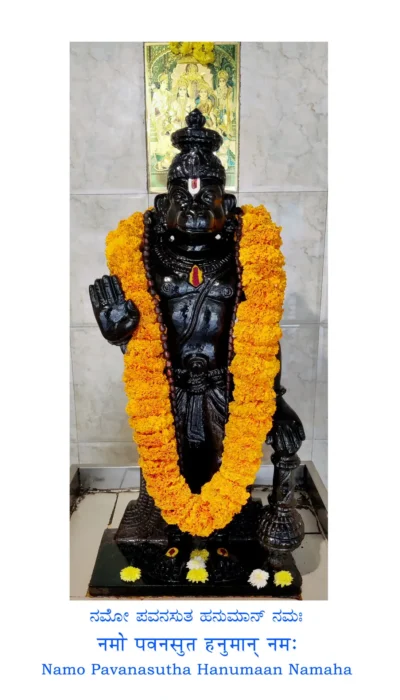
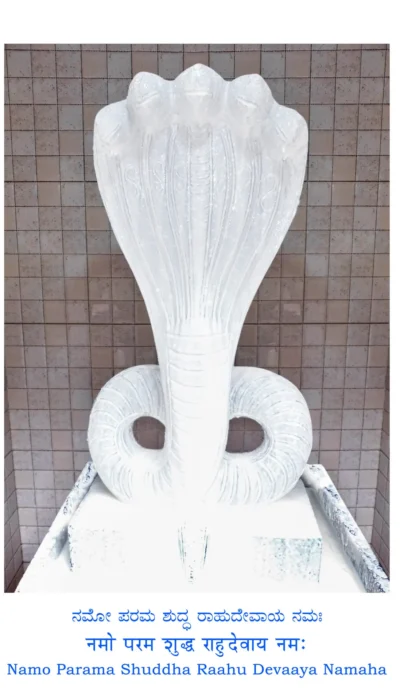
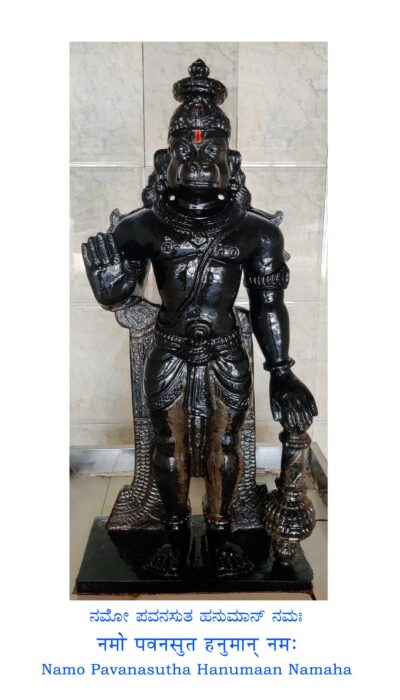
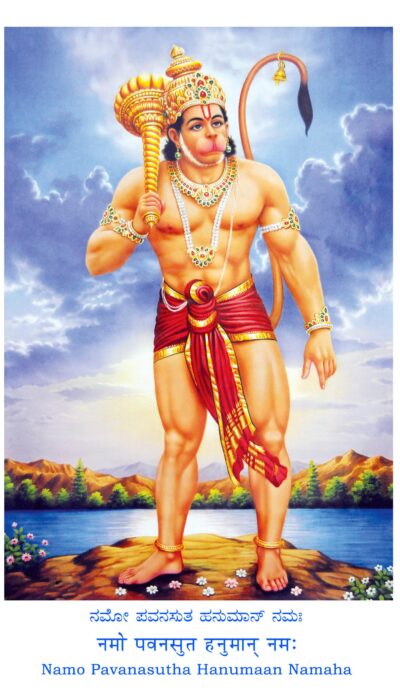
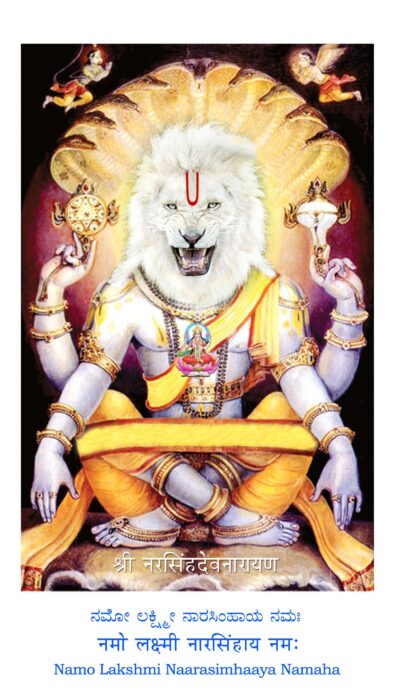
Sanathana Dharma also envisages that this Supreme Being/ Brahman can be attained by worshiping/Meditating on any one of the Godforms which are within time and space and also by worshiping any divine items within the creation such as holy trees emitting more pranic energy or the images of the Godforms in the creation. These forms are the really expressed forms of the Supreme Being for operating and maintaining the creation and by worshiping any one of these Godforms one can attain THAT formless Brahman. Worshiping of the manifested forms easily make the seeker to realise that Supreme Being through this medium and it is the easiest way to reach the Supreme Being because the seeker/ devotee easily interacts with the Godform as if he interacts with a highly revered person and thereby emotionally connecting to the Supreme Being in a live way. The manifested Godforms ultimately gives way to the knowledge and experience of THAT formless Supreme Being / Brahman and ITS attainment also.
आकाशात्पतितं तोयं यथा गच्छति सागरम् । सर्वदेवनमस्कारः केशवं प्रतिगच्छति ॥
– Vishnu Dharma Adhyaya Shloka 88
Although Sanathana Dharma envisages innumerable God forms yet it emphasizes that there is one Supreme Being which is the cause for all these God Forms. Whichever god form the Devotee / Saadhaka / Worshiper worships the entire worship/ Meditation /Japa reaches THAT ONE Supreme Being without fail therefore worshiping of any God form in any manner leads the devotee to only THAT Supreme Being (god) which is the ultimate goal of every soul. After all spiritual evolution is only the return journey of the soul (Individual Consciousness) to it origin (Supreme Being/ God). The above shloka makes it very clear in the sanathan context that worship of any sanathan god form which are real in the creation will ultimately lead to that one Supreme Being only. All the god forms are nothing but manifestation of THAT one Supreme Being in varied forms only to make the creation function harmoniously and rhythmically.
The Supreme Being can also be approached directly as THE formless, all pervading Supreme Being without worshiping any Godforms. It is difficult to comprehend that unmanifest Brahman as unbounded, beyond time and space without any beginning, middle or end and ITS All knowing, Omnipresent, Omnipotent, Omniscient, All Merciful Supreme Being. This formless Supreme Being cannot be approached through the emotion of devotion as in the case of worship of Godforms. Therefore the scriptures envisage that such seekers must serve the living beings, being non violent, revering and protecting the nature and doing accepted and allotted duties with application, dedication and discipline without attachment to the results and perceiving the presence of Supreme Being both in the living and non-living beings as one and same Brahman and at the same time appreciating and respecting different aspects of the creation also as the truth.
The upanishadh declare thus :-
पूर्णमदः पूर्णमिदं पूर्णात्पूर्णमुदच्यते । पूर्णस्य पूर्णमादाय पूर्णमेवावशिष्यते ॥
Meaning whatever that manifests from that formless absolute Supreme Being is as complete as the Supreme Being ITSELF and all the manifestations whatever they are will disseminate back into the same Supreme Being becoming Absolute, complete and whole as the Supreme Being ITSELF.
One should apply the Science, Sense, Logic, Reasoning and Questioning to verify the truth of an issue which one wants to believe.
Any belief and practise that withstands the questioning will also stand the test of time forever, just as Bhagavad Geetha withstood the questioning since more than five thousand years. Therefore, Bhagavad Geetha has become the guiding light to mankind and forever it shall remain so.

Any belief system or philosophy or religion must withstand the scrutiny of the above points to be believed. If not, it is not worth following, and following such belief system leaves one in void.
The creation has manifested from this unmanifest, Absolute Supreme Being /Brahman which is in absolute but live silence composed of energy and consciousness together as ONE. The multi fold creation is inclusive of living beings, non-living beings, and celestial establishment like stars, planets, galaxies and nebulas, which are infinite in number. This Supreme Being/ Brahman has not collected required materials for creation from any where, from any source, but made them to manifest from within ITSELF.
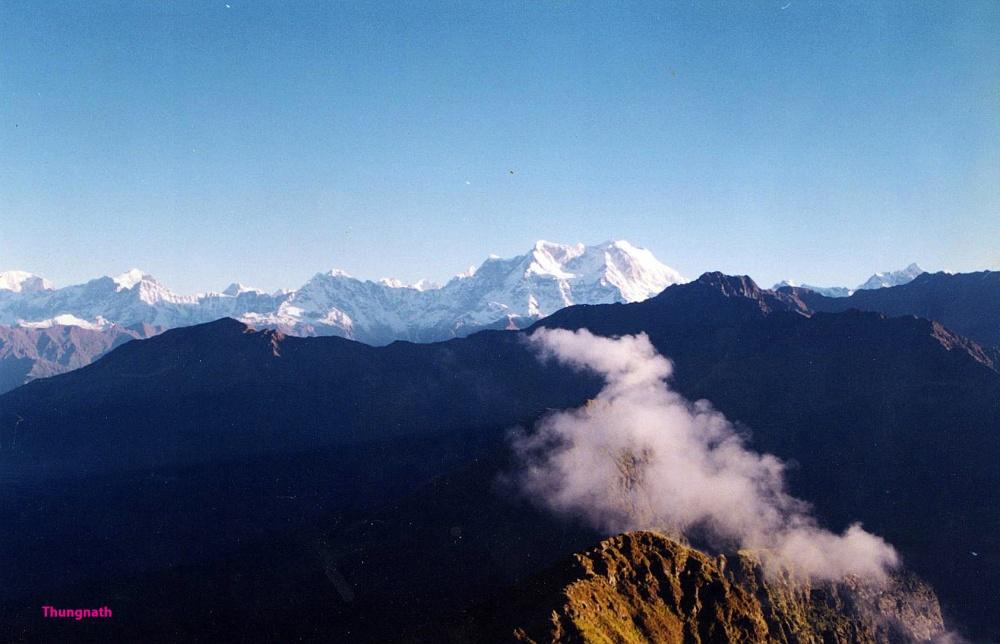
The creation begins with sound waves which accumulate to form the required matter necessary for the creation. The creation is endowed with both energy and consciousness together. In non-living beings this Supreme Being/Brahman is static. But in the living beings it is dynamic. A part of Supreme Being becomes living force in every living being making it to be live. Therefore, both the living and non-living creation is Brahman ITSELF with infinite variations. The Brahman which has manifested as the creation has the responsibility of taking care of the creation and maintaining it and running it in its own administrative way. Therefore the Brahman ITSELF has manifested in various Godforms within the creation only to operate at varied levels of the creation. It is like one Supreme Power center decentralising the powers to various other centers with specific responsibility and freedom to act so that they see the administration of the establishment function in a harmonious way. These Godforms are many many in number and they are having specific forms and these forms reflect cosmic principles behind their forms. These God forms are also embodiment of knowledge and they are in the manifest but transcendental form operating in the creation in their own spheres and space with perfect balance, rhythm and thereby harmony is maintained in the creation.
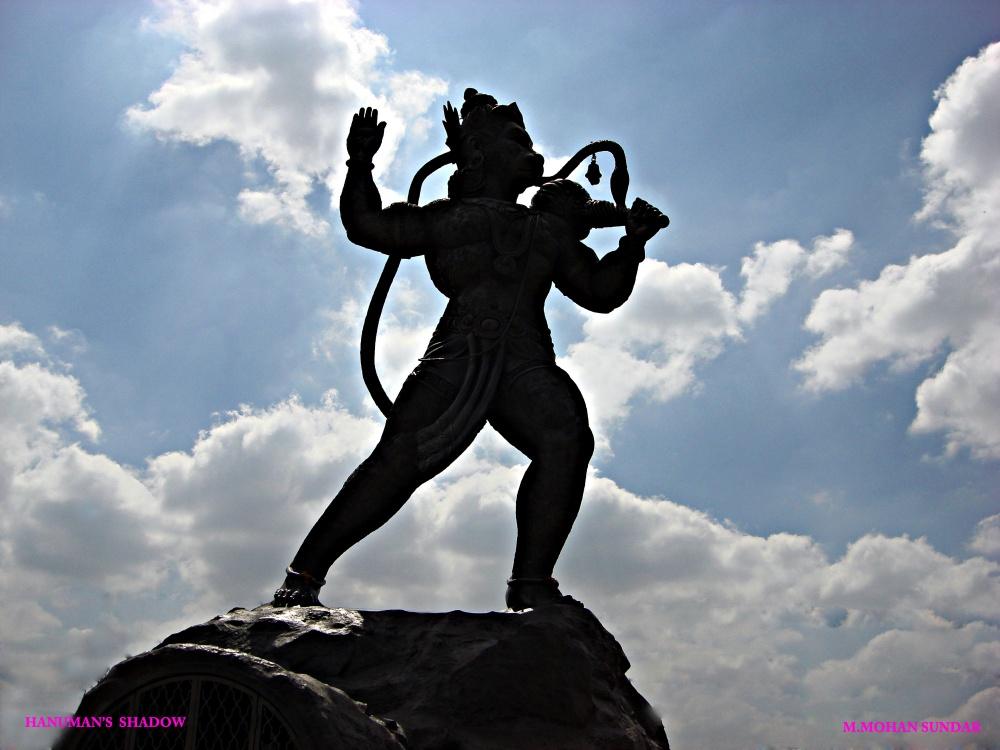
These Godforms showed their existence by revealing themselves to great sages and saints of India since time immemorial. Greek civilization and many lost civilizations also worshiped Supreme Being in their own God forms, as God forms always evoked devotional feelings towards the Supreme Being through these God forms. Those who meditate upon a particular Godform have not only experienced that very Godform but also got revealed other Godforms. These Godforms have wonderful descriptions about them in the Vedas. These God forms include Lord Ganesha, Lord Karthikeya, Lord Shiva, Lord Rama, Lord Krushna, Lord Venkateshwara. Lord Hanumaan and many more as well demi gods. Also include Goddsses like Durga, Parvathi, Lakshmi, Saraswathi any many more. Those ancient sages and saints who have experienced these Godforms ages ago and same the Godforms are being experienced even today by sages and saints and also by normal sanathan spiritual practioners in the same way as ancient sages and saints have experienced. Therefore, Godforms are real in the creation and each Godform operates independently and interacts with human beings without any interference from other Godforms. Therefore, the Vedas describe the methodology to invoke each Godform, appease them and get necessary blessings and benefits from them.
Any Godform on which the devotee is worshiping and meditating upon, will ultimately guide the seeker to the Supreme Being / Brahman both in its transcendental manifest form as well as unmanifest absolute state and to attain Moksha in the Supreme Being.
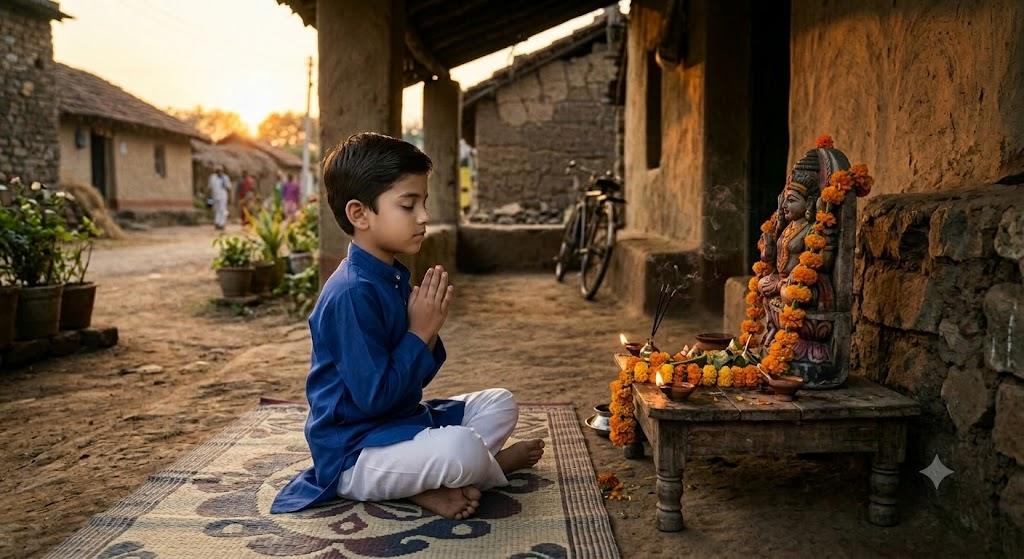
Worshiping the Idol or Image of a chosen Godform by a seeker / devotee will help him to interact with the Godform in course of time and it is nothing but aligning with the Universal Consciousness in one way. The moment the seeker / devotee who has preliminary knowledge about the Image/ Idol, as and when sees the Godform devotion and emotion get evoked in him. Through this devotion and emotion with conjoining of mind and heart not only he experiences the chosen divine Godform but also aligns with IT. This is the easiest way to align with the Supreme Being through one of IT’S manifested Godforms. Therefore, Sanathana Dharma also envisages worship/ meditation on any one of these Godforms to align with the Supreme Being through that Godform. Therefore, one finds Sanathanis worshiping many Godforms knowing their operation in the creation. When the creation itself is from the Supreme Being, the Godforms which have manifested from HIM are also the part and parcel of the same Supreme Being. Although the Supreme Being is Omnipresent, Omniscient, Omnipotent, All-pervading and formless, if it cannot manifest and provide the experience of IT to the devotee in whatever form he/she worships then God becomes an in capable entity. But it is not true, HE is capable of manifesting in any form as the devotee conceives and worships – BhagavadhGeetha.
In the Vedantic way of approach in Sanathana Dharma more emphasis is laid on the formless nature of the Supreme Being. In the sense IT is omnipresent, omniscient, omnipotent, all pervading, all knowing Supreme Being. In the Vedantic way of life the seeker may directly approach the formless nature of the Supreme Being. Therefore both approaches in the Sanathana dharma are envisaged. The seeker / devotee has the choice to adapt any one of these two methods knowing fully in entirety that the truth is only ONE which is the Supreme Being/Brahman. Therefore Idol or Image worship is as efficacious as devoting to formless nature of God. Both are one and the same. The Sanathanis have no confusion with regard to this, but those who are not from Sanathana Dharma will not be able to comprehend this truth. Therefore, they often mistake that polytheism (worship of many Godforms) is opposed to monotheism (worship of single god). This is nothing but an inappropriate understanding.
Lord Krushna has said in Bhagavadh Geetha those who worship HIS manifested forms are better Yogis than the one who worship the formless unborn infinite nature because it is difficult to comprehend HIS true formless nature and such a seeker may develop a narrow and shallow imagination of the formless God and worship HIM in a wrong way. Further such seeker will find it difficult to reach HIM but if he follows dharma and service to the living beings (Human and Animals) and Nature, he too will reach HIM.
The devotees/worshipers of both methods reach HIM without fail.
Seekers seeing THAT ONE Supreme truth through different windows see it in a limited (partial) way and hence there is variation in their perception. But the one who is on the top of the roof (i.e. practising RIGHT spiritual practices) sees the truth in 360° i.e. he perceives the truth wholistically and he alone knows the Supreme truth in toto.
One Supreme God in Many Many God Forms
Cosmic Science and Secret Behind Idol / Image Worship
Sanathana Dharma envisages an easiest way to align with the Supreme Being / God by way of worship of a specific God form in the form of idol / image which is of seeker’s choice. Sanathan Gods and Goddesses are the expressed forms of THAT Supreme Being in varied ways. These popular forms are well cognized by Great Saints and Seers of Sanathan tradition. This practice further emphasized by Lord Krushna in Bhagavad Geetha. Where HE says that whichever manifested form of HIS is worshipped by his seeker HE will direct him to attain the same God Form who in turn further guides the devovotee to the Supreme Being who is the source of all God forms. Therefore, a true seeker of God/Devotee may establish one of the manifested form of the Supreme Being which is of his choice either in the form of an Idol or a framed Image at a clean place at his home and decorate them moderately and start worshiping with lighting of lamp (dheepam) and incense sticks and offer the Godform with milk sweets or with vegetable rice or in any manner as described in the tradition.
Now it is important for the seeker/devotee to interact with the deity regularly as if he is interacting with his father/mother/sister/friend. He may tell his difficulties and problems to the deity (chosen God form) and having his mind surrendered to the deity, perform his actions of the day which-ever they may be, in a sincere and honest possible way.
With the regular interaction with the deity soon the Supreme Being starts interacting with the devotee through his selected God form either in a symbolic way or infusing the required thoughts into his subconscious mind which in turn will start reflecting on the conscious mind as intuition. When the devotee gradually starts experiencing the cosmic being / Supreme Being / God is interacting with him answering his honest and humble queries, thus soon a rapport builds up between the devotee and the Supreme Being through deity / God form which he is worshiping and interacting. Thus experience of Supreme Being get infused into the Individual Being of the devotee and a bond between them become stronger and stronger. As the bond becomes stronger the Supreme Being through the God form expresses itself to the devotee either in his dreams or if he is lucky enough in the live form too.
The science here is that the devotees is invoking that quantum of cosmic energy which will take the shape of his God form giving an experience of what it is, and also may interact with him. This is an absolute psychic science wherein cosmic energy is invoked abundantly by the devotee through his mind and with the devotion from the heart with immense faith on the God form he is worshiping. These are all the common experiences derived from the sages and saints of Bharat from time immemorial. Thus they easily aligned with the Supreme Being through the desired form of the Supreme Being/ God form and finally reach that frequency at which the particular God form is operating in the creation. So the devotee reaches the same frequency at which level his specific Godform is operating. His specific Godform will finally enlighten him with regard to Supreme God form from which it also has manifested. Thus the devotee will be able to reach the source (God) from which his consciousness has manifested. This is the realization of God in toto i.e. finding the God within him and beyond him (with in the creation) and also the beyond creation.
The other means the sages and saints of Bharat adopted is to meditate on the Supreme Being constantly and align their mind to the Universal Consciousness putting inline the Individual Consciousness along with it. This type of Saadhana is of higher order because it transposes itself from physical way of worship by the devotee to the mental way of worship.
Therefore, a common man in Sanaathana Dharma always finds the easiest way of aligning with the Supreme Being/ GOD through the physical worship of Godform/ forms. This is the secret of easy way to align with God, both for his grace as well as for guidance in life and also to attain HIM.
The nature of Sanathana Dharma is as infinite and all encompassing as that of the Supreme Being ITSELF, i.e. Sanathana Dharma is THE Supreme Being ITSELF and it is indestructible.
The Power of the Divine Name
Lord Brahma explained to sage Naaradha that whether one is a saint or sinner or a pundit or an ignorant one, old or young, women or eunuchs, for everyone in Kaliyuga repetition of Divine name (names of Hindu Gods or Goddesses) through Japa or Meditation is the way to realize the Supreme Being and to overcome all the accumulated karma, and to attain Moksha in the Supreme Being. This has been said in Kalisantharana Upanishadh.
Divine name has divine form in it; Divine name has Divine power in it; Divine name has Divine sound in it; Divine name also carry the silent, formless, omnipresent, omniscient, omnipotent all pervading principles behind IT. In view of so much secrets hidden behind the divine name, Lord Brahma advocated the repetition of Divine Name in the form of Japa and Meditation as the supreme spiritual path in Kaliyuga to attain fulfillment and Moksha. Know the truth that all Meditations need not be spiritually evolutionary leading to Moksha. Meditation is a transition from physical level practises (yogasanas & pranayama) to the mental level practise (higher & evolutionary order).
What are the True Divine Right Spiritual Practices that can Lead a Seeker to his Goal (Moksha) without Deviation.
No lower order spiritual practises are envisaged here.
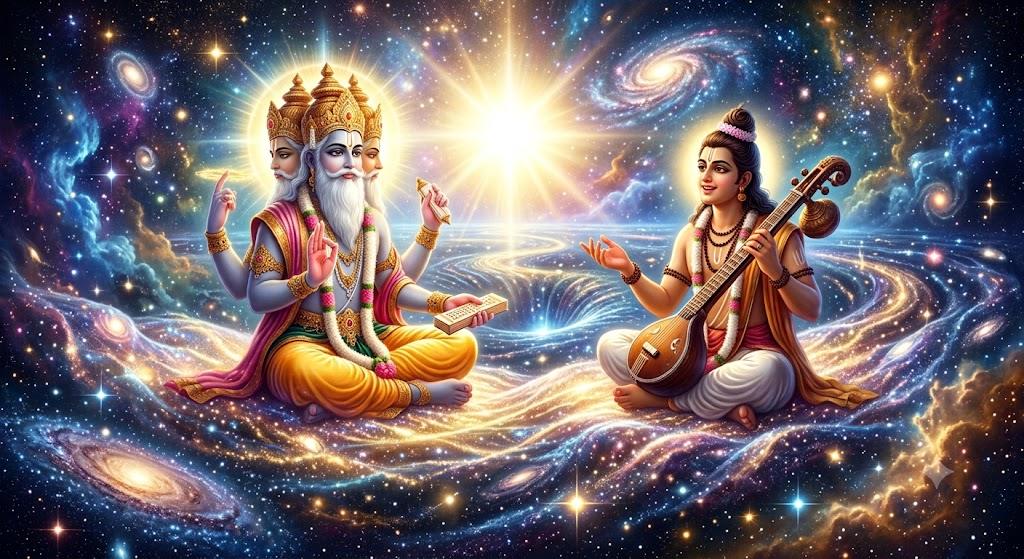
In Kalisantharana upanishadh, the divine sage Naaradha asked Lord Brahma “O’ the creator, the Dwapara Yuga ended and Kaliyuga is descending where sinning of all sorts will be considered right and there will be Spiritual darkness everywhere. Those good souls who take birth in this Kaliyuga, how could they attain Moksha (returning to God)? ”.
Lord Brahma replied, “ O’ the divine sage, yes the Kaliyuga is going to be a darker age where Dharma is not followed but yet Kaliyuga is the best age where the great souls will be born as very ordinary human beings and do spiritual saadhana to attain Moksha. Because one who is committed to spiritual evolution will face obstacles all around and in the midst of these if those saadhakas stick to Dharma and follow right spiritual practises they could easily attain Moksha in their short span of life which is limited to hundred years only ”.
Naaradha asked, “O’ Lord Brahma by practising what those true spiritual practitioners attain Moksha in Kaliyuga ”. Lord Brahma replied, “ it is only by Meditating or doing Japa of any divine name of the Supreme Being/ God ”.
Divine name has divine form in it; Divine name has Divine power in it; Divine name has Divine sound in it; Divine name also carry the silent, formless, omnipresent, omniscient, omnipotent all pervading principles behind IT. In view of so much secrets hidden behind the divine name, it is only the constant repetition of the divine name or Meditation on the divine name that can lead the saadhaka or practitioner to the Supreme Goal attaining Moksha.
The divine sage Naaradha further asked “O’ Lord tell me which are those divine names which can be practised by the seeker of Moksha in the Kaliyuga”. Creator Lord Brahma said “ This code of sixteen names “ Hare Raama Hare Raama, Raama Raama Hare Hare, Hare Krushna Hare Krushna, Krushna Krushna Hare Hare ”. As for as the above mantra is concerned it should begin with “Hare Raama” and then “Hare Kushna” and not the reverse. Whoever practises this code of sixteen names correctly as I said will get their sixteen layers of Mind purified from karma and attain self realization and gradually in turn God realization. However, any divine name of the Supreme Lord Naaraayana can be practised and the same will lead to Moksha in Kaliyuga. All other names of other God forms will also lead to Supreme God Lord Naaraayana, after attaining which ever God form they are Meditating upon. It is only a round about process. Therefore Meditating or doing Japa, Manana (wakeful repetition), Shravana (constantly hearing divine name) is the only solution in Kaliyuga.
Naaradha questioned again “ who are all qualified to practise the Divine Name ? ”. Lord Brahma said “Man or Woman, old or young, healthy or unhealthy, even handicap, eunuchs, or even evolved animals can practise any divine name anywhere at any time, because the Lord Naaraayana, the Supreme Being is present in every atom of the creation at all times”. Lord Krushna proclaimed in Bhagavadgita thus “ Yagnanaam Japayagnosmi ” meaning among all spiritual practises Meditation on the DIVINE NAME is HIMSELF.
Japa is of three types
Vedas describe JAPA as of three types.
विधीयज्ञा ज्जपयज्ञो विशिष्टो दशभिर्गुणै । उपांशुः स्याच्छतगुणः । सहस्त्रो मानसः स्मृतः ॥
1. Vaikhari Japa
In this form of Japa, a divine name or a trait or a mantra pertaining to Universal Consciousness (Supreme Being ) is repeated loudly moving tongue and lips in an audible way.
Spiritual benefits of this Japa are ten times more than those of homa, yagna and yaga (kind of Vedic rituals).
2. Upamshu Japa
In this form of Japa, a divine name or a trait or a mantra is repeated moving tongue and lips, but inaudible to others.
Spiritual benefits of this Japa are a hundred times more than those of homa, yagna and yaga.
3. Manasika Japa (Meditation)
In this form of Japa , a divine name or a trait or a mantra is repeated only mentally without moving tongue and lips, closing the eyes. It is totally inaudible to others.
Spiritual benefits in this Japa or Meditation are a THOUSAND TIMES more than those of homa, yagna and yaga.
Manasika Japa or Meditation is the BEST and the HIGHEST form of spiritual practice, because in this form of Japa, the mind is turned INWARD i.e. towards one’s own Self which is the connector to the Universal Self.
When a Rosary (Japamala) is used for counting the repetition of the mantra, it becomes Japa. When the mantra is repeated without counting by a rosary, it becomes Maanasika Japa or Meditation.
There are several meditations that are being made available in the market. Therefore, it is necessary for a true seeker to find out what is right, Saathwik and spiritually evolutionary Meditation in order to reach one’s goal.
Know the truth that all Meditations need not be spiritually evolutionary.
An Analysis of the Science of Right Meditation
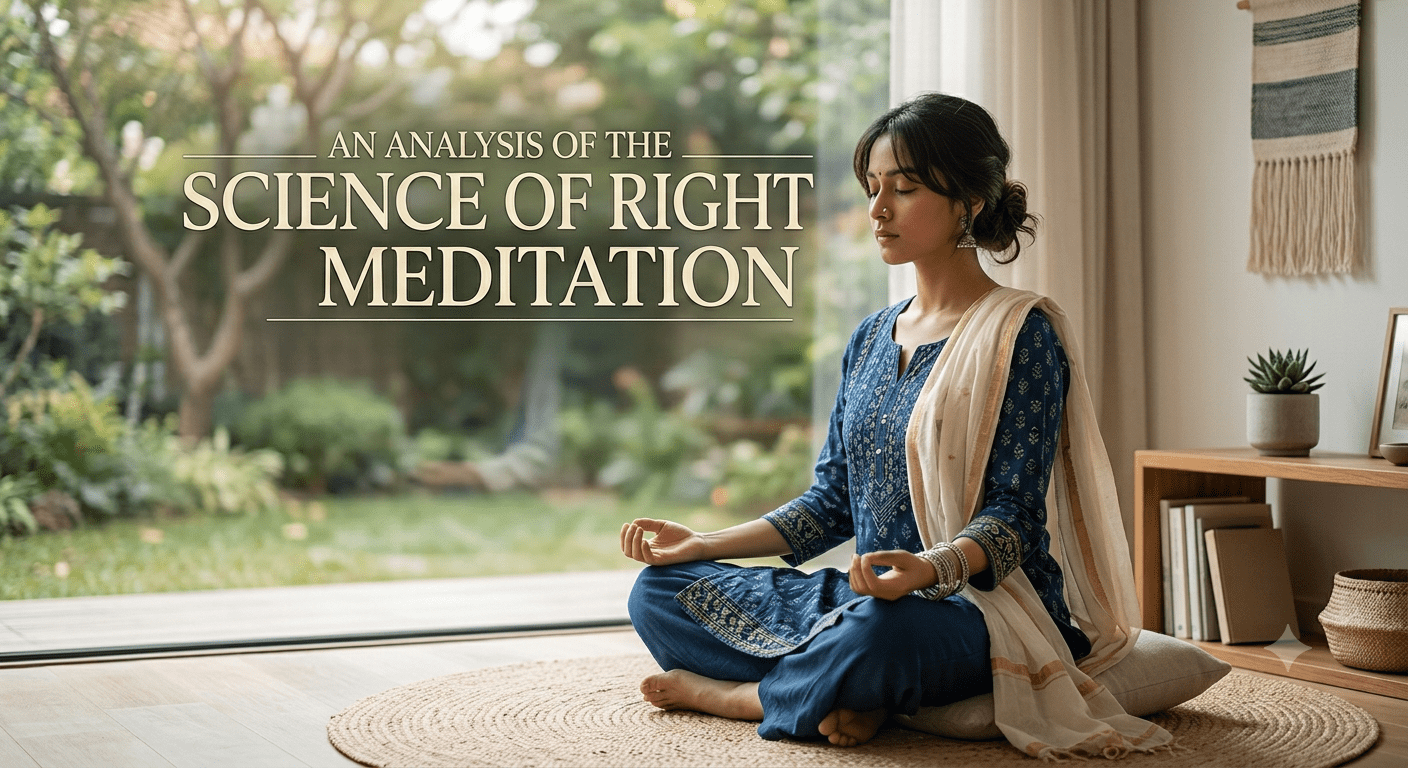
In the present time the word “MEDITATION” is well known and popular all over the world. Innumerable scientific studies all over the world on Meditation have revealed many mental, physical and social benefits of the practise of Meditation. Naturally many schools of spiritual thought have sprung up and they are offering varieties of Meditation. Therefore, it is natural that in the mind of the seeker of TRUTH, the question arises which is the true and correct Meditation practise to be pursued for not only deriving the benefits but also to realize the goal (realization of Universal Consciousness/Supreme Being) of Meditation, for which the seeker is Meditating. The Science of Meditation OR Tapas was envisaged and evolved originally in Sanathana Dharma (Hinduism) in India. We all know that Sanathana Dharma Means evolutionary way of life of Indians. Therefore, it is necessary to understand the true context of the Tapas or Meditation as envisaged and practised in Sanathana Dharma since time immemorial by the Sages, Saints and also common man of India.
What is Right Meditation ?
The very meaning of Meditation provides the true definition of Meditation. The word Meditation means “ to think deeply and constantly engrossed on one single issue ” i.e., one pointed focus of the attention of the Mind on one single chosen issue, concept, object or on a specific thought like Mantra.
Every travel of ours should have a definite destination or goal. The purpose of embarking on a travel is to reach the desired goal or destination. If you travel without any goal or destination to be reached, then it becomes a meaningless travel leaving us nowhere.
If this truth is applied to Meditation, then there must be a definite goal or destination for embarking on Meditation process. The Meditation is essentially a spiritual process or journey undertaken by the Mind to reach the goal and establish in the Individual Consciousness (Soul) which in turn will align with the Supreme Consciousness (God)/ Supreme Being for all times.
Silence – Is this the Right Meditation?
If one simply sits in silence in Meditation doing nothing, the Mind has no direction to reach any Goal and therefore it gets confused and remain in its natural thinking process of day to day life and doing nothing more than that. This type of Meditation can result in calming the mind a bit but definitely not progressing towards any goal or destination as there is no goal to reach. There is no spiritual progress here except enjoying relaxation of Mind. Is this the right Meditation ?.
Thoughtless – Is this the Right Meditation?
In some type of Meditation, the meditator is advised to make the mind free from all the thoughts and attain a thoughtless state. This practise is against the very thinking nature of the Mind and it is made to swim against its own natural instinct. Therefore, in the long run blanking of Mind can lead to inertia state of Mind resulting in the seeker feeling that he has attained Transcendental State or Samaadhi (Sama means equal or even, aadhi means first one i.e. Supreme Being). In this Meditation, as the mind has no goal or destination to reach, it does not go anywhere but by remaining in the state of inertia. Again there is no spiritual progress except feeling the relaxation of Mind. Is this the right Meditation ?
Breathing – Is this the Right Meditation?
In another type of Meditation the meditator is made to focus the Mind on one’s own breathing process. Breathing is limited to the body and it is not required after death as the breathing stops at it. The Mind which was focusing on the breathing rhythm will be left with no goal to reach and thereby the spiritual goal eludes the practitioner because the practitioner does not know what the spiritual goal is. Of course this Meditation is also relaxing in its result. But its focus is only on to the body.
Pyramid – Is this the Right Meditation?
Some even sit under the pyramid and practise this Meditation. The pyramid is only used for the burial of the dead body in the ancient Egypt only to preserve the dead body for a longer period with an intention that the soul which has gone to the nether world (darker regions in creation) would come back into the body some day. For such a practitioner as the Mind becomes direction less when the person dies, the Mind as it has been conditioned for a long time to be under a pyramid, the Mind does not go higher up as it has been crushed towards under- ground due to pyramidical awareness in Meditation. Therefore, the consciousness of an individual goes down to lower levels and definitely not towards higher level. Is this the right Meditation ?
Thought Focus – Is this the Right Meditation?
In another type of Meditation the practitioner sits in Meditation and goes on observing the thoughts arising in the Mind and also body sensations if any. No doubt the outflow of thoughts reduces the intensity of thoughts rising, and Mind becomes calm resulting in a better feeling after Meditation. Is there a real spiritual progress in it ?
Know the truth that spiritual progress (expansion of awareness) is NOT possible without the purification of Karma (accumulated action and reaction phenomena from innumerable births latent in the subconscious and unconscious layers of the mind) stored in the subconscious layers of the Mind. Subconscious layers of the Mind is the wall between the conscious Mind (surface layer of the Mind) and one’s own pure consciousness (self /soul/Individual Consciousness) .
Mind is also a wall between the Individual Consciousness and the Universal Consciousness. The primary object of Meditation is to purify the Karma which is the cause for the cycle of births and deaths. Unless the Karma is completely cleared, the Individual Consciousness cannot establish contact with the Universal Consciousness or Supreme Being. With each Right Meditation process one can move one step forward towards self (One’s own consciousness) and Super Self (Supreme Being or Universal Consciousness).
Therefore, it is absolutely necessary to know what is RIGHT MEDITATION.
A Right Meditation is one where the Mind is turned INWARD and clearly directed towards one’s own consciousness and from there on towards the Supreme Consciousness. So in a Right Meditation Mind is set towards achieving the Supreme goal aimed for. Therefore, there is no scope for the Mind to be otherwise in the Right Meditation process. In order to give specific direction towards the intended goal, a Benign or Divine WORD possessing the Supreme Consciousness in seed form is used to direct the Mind to follow it and reach the goal where the WORD (seed) unfolds itself into the Supreme Consciousness (just like a seed growing into a full blown tree) and thereby the goal of the Meditation is realized. The practitioner’s consciousness will be permanently aligned with the Supreme Consciousness / Universal Consciousness for all times. This is the Right Meditation process where the seed (divine WORD) is buried into the Mind and is watered (through the practise of repetition) and allowed to grow into a full blown tree (Supreme Consciousness ) to reap the desired result. Therefore it is necessary to know the science of Right Meditation to practise the same.
Don’t believe those Gurus who say that all religions are same equating Hinduism with other religions. Hinduism is a way of life Spiritually evolutionary towards the higher orders of the life and off course leading towards the realization and attainment of the SUPREME BEING ( Universal Consciousness) forever.
Hindu cultural way of life itself is essentially spiritually evolutionary in nature apart from right spiritual practices.
Protect Dharma; It protects you.Protect Nature; It saves you.Protect Goodness; It begets goodness.Goodness is the Essence of life.
1. Practise of Sanathan Naama Meditation
This is the best and the highest form of Meditation among all the Meditations. It is a straight path towards God. In this form of Meditation, the practitioner takes his/ her favourite divine name and Meditate upon it as described below. Remember divine names are cosmic codes whose regular repetition will unfold the Supreme Consciousness on the Individual Consciousness [ alignment of Individual Consciousness/Aathma with Supreme Consciousness (Paramaathma) ].
How to Practise Sanathan Meditation i.e. Naame Dhyana?
1. Sit comfortably either on a chair having a perpendicular back or sit on the floor on a mat with crossed legs, as you prefer. Make sure that you are sitting comfortably in order to avoid unnecessary movements during Meditation.
2. Keep your head and back straight but be easy, relaxed and comfortable.
3. Do not move your tongue and lips because Meditation is purely a mental process.
4. Now, inhale and exhale deeply about 5 – 10 times.
5. Now Close your eyes gently and comfortably and then repeat only mentally a prayer to Lord Ganapathi (remover of obstacles) by repeating 3 times “Vandhe Vighneshwaram Sarva Vigna Nivaarakam” or “Mahaa Ganapathaye Namaha”. Then Prayer to Guru by repeating thus “ Parama Guruve Namaha ” for 3 times.
6. Now, easily and comfortably focus the attention of your mind at the spot between the eyebrows (i.e., at the junction point of nose and eyebrows) and begin to REPEAT your chosen Naama Mantra which you have selected from the list given below and repeat only mentally without moving tongue or lips because Meditation is purely a mental process. Continue to Repeat in an easy, natural and comfortable way without straining yourself and continue to repeat with a simple, easy and natural concentration for about thirty minutes and keep the eyes closed all the times as long as you are Meditating.
7. After 30 minutes open your eyes slowly and get on with your activities.
List of Naama Mantras for Meditation
Part – I
- 1. Namo Paramaguruve Namaha
- 2. Namo Naaraayanaaya Namaha
- 3. Namo Lakshmi Naaraayanaaya Namaha
- 4. Namo Vaasudevaaya Namaha
- 5. Namo Shree Krushnaaya Namaha
- 6. Namo Lakshmi Venkateshaaya Namaha
- 7. Namo Lakshmi Narasimhaaya Namaha
- 8. Namo Naarasimhaaya Namaha
- 9. Namo Brahma Devaaya Namaha
- 10. Namo Shivaaya Namaha
- 11. Namo Gowri Shankaraaya Namaha
- 12. Namo Ganapathayae Namaha
- 13. Namo Subrahmanyaya Namaha
- 14. Namo Saraswathyai Namaha
- 15. Jai Shree Raam Jai Hanumaan
- 16. Namo Shree Raamadootha Hanumaan Namaha
- 17. Namo Soorya Naaraayanaaya Namaha
- 18. Namo Shree Raaghavendraaya Namaha
Easy Naama Mantras for Meditation
Part – II
- 1. Raama
- 2. Krushna
- 3. Maadhava
- 4. Keshava
- 5. Kalki
- 6. Vishnu
- 7. Hari
- 8. Shiva
- 9. Rudra
- 10. Hara
- 11. Gowri
- 12. Lakshmi
- 13. Ganga
- 14. Sindhu (ocean/infinity)
- 15. Soorya
- 16. Govinda
- 17. Sharadha (goddess of learning)
- 18. Hanuma
Those who find it difficult to meditate for 30 minutes at a stretch, may meditate for 5 minutes in the first week; 10 minutes in the second week; 15-20 in the third week and gradually accomplish 30 minutes duration.
Meditation is nothing but mental repetition of a chosen divine naama mantra, with closed eyes, without moving tongue and lips, with simple and easy concentration.
Only Absolute divine mantras are to be used for Meditation. Select your mantra either from the lists given above or from the Vedic tradition. Do not use the mantras pertaining to lower or darker forces of Nature (non divine). Also do not use the names or mantras pertaining to any Babas, Gurus and Prophets etc.. If you use they will lead you to the darker and lower planes of creation for eternity.
The mantras given in the lists are the sounds of high cosmic vibratory frequencies and are highly beneficial for spiritual evolution.
Throughout Meditation, while repeating the mantra of Meditation, do not move your tongue and lips and at the same time keep the eyes closed all the time and also be easy, comfortable and natural.
Meditation on any of the pure divine mantras given in the lists above which are of high cosmic vibratory frequency, gradually quells the disturbances and obstacles at the physical, mental and spiritual levels and unfolds the experience of the nature of the UNIVERSAL BEING. Therefore, substituting these pure divine mantras with any other mantras pertaining to any baba, swamy, prophet or any of the dark forces of nature will lead you to darker realms of creation, BEWARE.
Further, the use of a pure divine mantra in Meditation very gradually erases or quietens the six negative traits in man when meditated upon. The six fundamental negative traits in man are, desire, anger, selfishness, arrogance (egoism), infatuation (attachment) and jealousy.
In Meditation, as you focus the attention of your mind at the spot between the eyebrows and repeat the mantra only mentally, innumerable thoughts relating to day-to-day life or otherwise may arise, not only shifting the attention of your mind from the naama mantra of Meditation but also disturbing your concentration. Don’t worry, it is a natural phenomenon. Just bring back the mind, focus it again gently at the spot between the eyebrows and continue your repetition of the naama mantra. Again, there may be shifting of your attention by thoughts. It does not matter. Again bring back your mind on to the naama mantra of Meditation and continue your repetition. This may happen several times in each Meditation but don’t get perturbed. In course of time, not only will the intensity of thoughts come down but there will also be an increase of concentration in Meditation.
Remember, thoughts arising in Meditation are NOT AT ALL a disturbance in Meditation but only an integral part of it indicating the purification of different layers of the mind that is going on in Meditation. Thoughts in Meditation are the outgoing of the released karmic forces accumulated in the subconscious and unconscious MIND from innumerable births.
What Happens During Meditation?
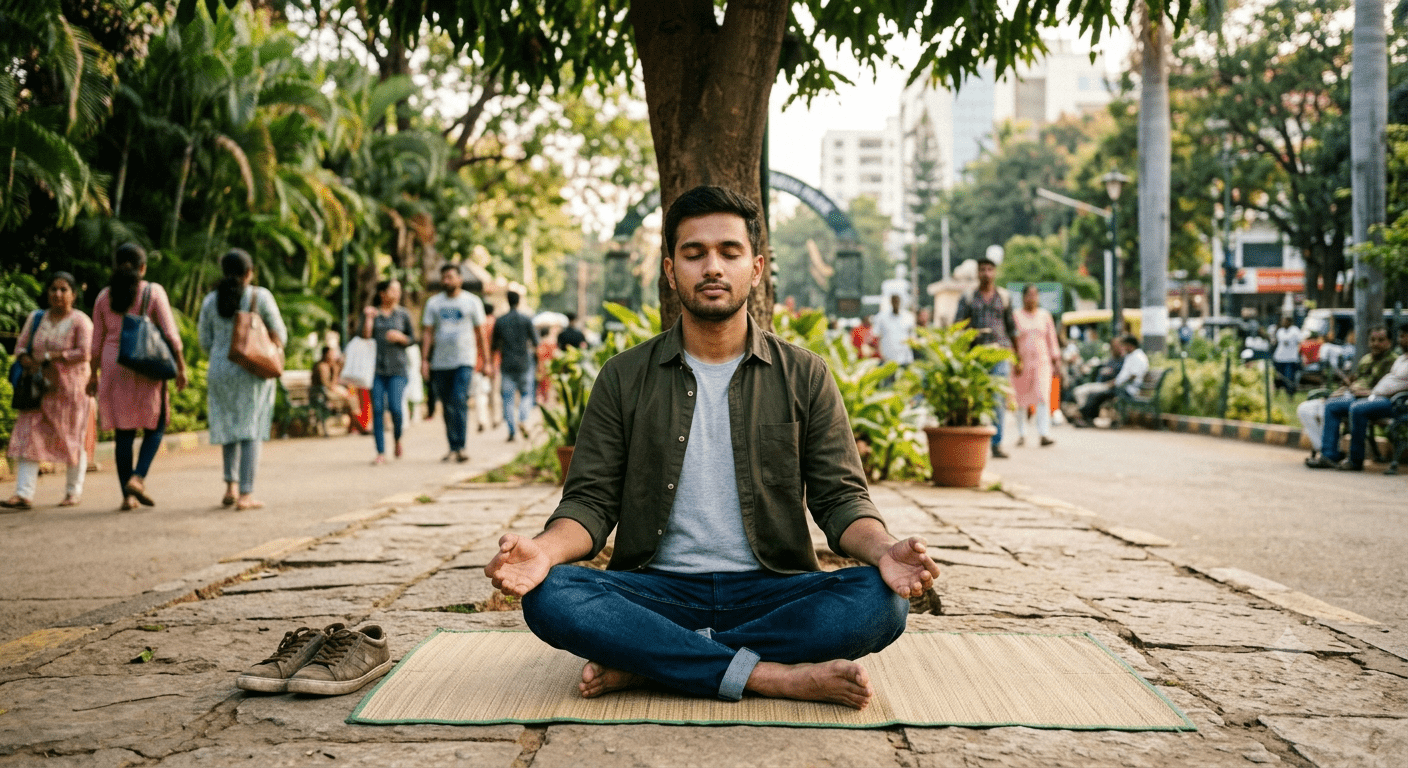
Owing to the repetition of a chosen mantra in Meditation, centrifuging of the conscious mind takes place and there will be an inward movement of the conscious mind into its own subconscious layers. Then, what is hidden in the subconscious layers of the mind tries to come out in the form of thoughts .
The subconscious mind is the storehouse of accumulated tensions, pressures, and Karma (Sum of actions and reactions) of innumerable past lives. Some of these hidden forces, depending upon the condition of the mind and body on a given day, are flushed out during Meditation in thought forms. It is just like digging a well where removing the mud is also a part of the process. If digging is the inward process, removing the mud is the outward process. Therefore, thoughts during Meditation are not only natural but also an indication of the purification of the subconscious layers of the mind. So, thoughts are bound to arise during Meditation and grip your conscious mind till a related force is flushed out each time.
Thoughts are not at all a disturbance in Meditation but only an expression of the outgoing of negativity (Karma). Therefore, thoughts will be a part and parcel of Meditation so long as the purification of Karma is going on.
Whenever you realise that your conscious mind is on thoughts and not on the mantra of Meditation, bring back the attention of the mind on to the mantra of Meditation and continue repetition.
So long as release of tensions, pressures and Karma is there, thoughts continue to rise in Meditation, sometimes intense, sometimes moderate.
Thoughts being an integral part of Meditation, neither encourage the thoughts because it indicates purification nor try to suppress them for the sake of concentration. Be neutral to thoughts and just continue the repetition of the mantra of Meditation with easy concentration till the end of your Meditation period.
Question everything and arrive at the TRUTH.- Prashnopanishath
Effects of Meditation
Owing to the repetition of the mantra of Meditation, the attention of the conscious mind becomes single- pointed. Thereby lateral activities of the mind come down considerably. Hence the physiological activities will also come down resulting in a state of deep relaxation in the body, although the mind remains highly alert repeating the mantra. This deep relaxation is called “Yoganidra” which revitalises and rejuvenates every system in the body. All the tensions and pressures accumulated in the nervous system are released and flushed out.
Reduction of workload on the heart owing to deep relaxation rejuvenates the heart muscles and makes them strong and stable ( beneficial to heart patients).
Deep relaxation to the respiratory system makes it strong and flexible (beneficial to asthmatic patients). The relaxation of arteries and veins gradually results in the normal blood flow which is beneficial in cases of high or low blood pressure. Blood pressure due to heavy tensions simply disappears when the tensions are flushed out from the system. The functions of the digestive system also improve. The entire body becomes relaxed, flexible and light.
A relaxed nervous system gradually becomes stable, freed from excitation, irritation, short temper and timidness. Disorders like sleeplessness, fear, anxiety, nervousness, irritability disappear gradually, because the Karma which is the cause for all these is neutralised in Meditation. When the cause is gone, the effect is also gone. Further, Meditation is very helpful in arresting many of the deteriorating disorders of the body.
However, note that Meditation is not a substitute for medication. But definitely Meditation eliminates the side effects of medication. If you are on medicine for some disorder or disease, just continue. Meditation will be complementary to medication, improving your health by leaps and bounds.
Also note that Meditation is not a substitute for regular sleep.
The mind becomes more peaceful, relaxed and stable and in turn you will enjoy better concentration, memory and positive thinking. Thus, regular practice of Meditation results in a sound state of the mind and body, apart from spiritual development.
Understanding Some Experiences
1. You may experience (not everybody) a slight pressure at the temples (on either side of the head) during or after Meditation in the first few days. This is due to intense release of tensions or karmic forces from the subconscious layers of the mind which temporarily get accumulated before they move out. In such an event, just close the eyes, leave the mind and body totally free and observe total silence (without repeating the mantra) for about 10 minutes. The released forces will move out either in thought form or otherwise, and you will be relieved of the pressure. Those who are patients of migraine head ache may develop headache after Meditation. This is due to pullout or a repairing process. Therefore, people with migraine headache may meditate for five minutes in the first week. If headache is not felt after each Meditation then the duration may be increased to ten minutes in the second week. Follow this method till you reach thirty minute duration.
2. Sometimes, you may slip into sleep during Meditation. This is due to fatigue or overshadowing of awareness by intense release of accumulated tensions. As the release of fatigue or tensions comes down after a few meditations , there will be less dozing off in Meditation.
3. Sometimes, the intensity of thoughts arising in Meditation will be so much that it will be impossible to meditate further. If so, do not come out of Meditation by frustration. Stop repeating the mantra, do not open your eyes, leave the mind free and continue to sit in silence till the end of your stipulated period of Meditation. All the forces which are disturbing as thoughts will move out gradually releasing the mind from their grip. You will have not only less thoughts but also better concentration in your next Meditation. Facilitating the outgoing forces by way of silence in one Meditation improves the next Meditation. Meditation is comparable to the digging of a well. The mud that has been dug has to be removed out from the pit if further digging has to be continued. Therefore accommodating the outgoing forces which rise as thoughts is also important. Similarly the tensions, pressures and Karmic forces released in Meditation have to go out either in thought forms or otherwise so as to make the situation better either in the same Meditation or in the next Meditation.
4. During Meditation your head may bend forward. This is due to deep relaxation of neck muscles making them supple. If you bring it back to straight position, again it may bend forward. Therefore, continue Meditation in the same position without bothering to bring it back to its normal position, as long as you feel comfortable.
5. Sometimes, you may feel dull or gloomy after Meditation and this situation may slightly affect your daily activities. Although this is due to the intensity of the purification of Karma, you may not be able to take in this disruption. Then, either follow the principle of silent relaxation as mentioned in the earlier paragraphs one and three or cut down the stipulated period of Meditation bit by bit till you feel comfortable with your daily activities, after Meditation.
6. Sometimes, you may experience irritation, anger or uneasiness due to continuous release of Karmic forces even long after Meditation. Facilitate these outgoing forces to move out by following relaxation in silence as mentioned earlier. As they move out of the system, you will feel better. Although the purification of Karma may cause the above mentioned situations occasionally, the final outcome is a better state of mind, body and spirit.
7. Any pain, sensation, uneasiness, jerks, shaking or movements felt in the body during Meditation is only due to the purification and the setting right process. Just patiently go through it. Everything will be all right.
8. In the rarest of rare cases, Meditation can be slightly disturbing because of unearthing of Karmic forces which in a particular individual might disturb his activities. In such cases, if the meditator stops Meditation, then the unleashing of Karmic forces ceases and normalcy is restored. You may begin Meditation again after sometime.
Further Instructions
1. Meditate regularly for 30 to 40 minutes once a day at your convenient time. If possible twice a day.
2. Make Meditation a part of your daily routine and meditate at your convenient time. In the morning when you get up from the bed, brush the sleep from your eyes and sit erect on your bed or on a chair and go through your Meditation as a first priority. Once you get into your daily routine, you may not find time for Meditation. Then there will be a tendency to postpone each time.
3. Face north or east or northeast direction during Meditation, if possible.
4. Empty or light stomach provides ideal physical condition for Meditation. There are no restrictions regarding your food habits. Meditation itself will regulate your diet in course of time. However, adopting nutritious vegetarian diet (non-violent food) will be very helpful for spiritual development.
5. Do not imagine, expect or anticipate anything in Meditation. Just Meditate for the sake of Meditation without any selfish intentions whatsoever. Be neutral-minded. The benefits will simply follow in course of time.
6. Have patience and perseverance. Achievements are not made overnight but gradual. Meditation purifies your mind inch by inch from the accumulated Karma and slowly moves you towards mental, physical, social and spiritual betterment.
7. Never drop out of Meditation. If you drop out for any reason, you have lost the greatest opportunity of improving yourself. Meditation being purely a mental process, you may meditate any where, at any time, according to your convenience.
8. The quality of Meditation will not be the same every day. It varies according to your mental and physical rhythm of the day. Therefore, do not expect the same quality of Meditation every day.
9. If you practice natural deep breathing for three to five minutes before Meditation, the quality of Meditation will be much better. If you have time after Meditation, you can relax by lying down flat, leaving the mind and body totally free. This will enable all the released karmic forces to go out. Then you feel much better.
10. Whenever the going becomes tough in the Meditation owing to intense thoughts or uneasiness or otherwise on any day, then do not come out of Meditation in frustration. Instead, keep your eyes closed and do deep breathing about ten times and then continue Meditation. Even then, if Meditation continues to be difficult, then do not open your eyes, but follow the path of silence for the rest of the stipulated period of Meditation.
11. Be open minded and neutral to spiritual and mystic experiences like visions etc., that may occur during or after Meditation. You may talk about these experiences only to someone who is profound and mature to understand the same or in a Satsang (Spiritual meet). You may talk freely to others with regard to benefits of Meditation so that it motivates others to practise Meditation.
12. A dedicated meditator after sometime may feel that he/she is not seeing as many changes as he/she felt in the beginning. This is because the changes at surface level are over and the effect of Meditation has moved inward.
13. Meditation gradually improves the quality of life in personal, social and spiritual spheres.
14. Meditation provides a much needed outlet for flushing out tensions, pressures and emotions of day-to-day life.
15. Meditation helps in striking rhythm and harmony with any hostile environment gradually.
16. After one year of regular practice, you may increase the duration of your Meditation to one full hour.
17. Remember, this Meditation being purely divine, spiritual and natural, it does not come in the way of operation of the law of karma in the life of the practitioner. He too undergoes trials and tribulations caused by karmic forces like any other. But because of divine grace invoked through this Meditation, the intensity of operation of karma will be much less. Because this Meditation reduces the intensity of karmic operation, it is purely spiritually evolutionary to the practitioner in “ Everyway ”.
18. Meditate regularly. Do your allotted or accepted duties at your workplace, family and society and take life as it comes. Then, be rest assured that your life is in the evolutionary direction.
19. MEDITATE and bring peace to yourself, your family, society, nation and the world at large apart from your own spiritual evolution. Meditation is the true guide to life.
20. By practising this Meditation if you have found benefits, then pass on this knowledge of Meditation to others without fail. Let others also get the benefits of this Meditation. Knowledge is for all without exception.
The goal of life is NOT Heaven (a low layer within the creation) but SALVATION ( i.e. ending the journey of the soul in the Supreme Being forever) – Bhagavadgita, Chapter 9 Stanza 20-21
2. Japa Yoga
Japa is one of the most commonly practised method by both sages, saints as well as house – holders. In this method, a Japa Mala/Rosary is used for counting purpose while doing Japa. In this process, one of the names of divine Sanathan Gods which is dearer to Saadhaka (Seeker) is chosen and with the help of the rosary this name is repeated counting through rosary. This Japa can be practised either with open eyes or with closed eyes. Japa exclusively works on the purification of the conscious mind, charging it with divine vibrations of that God form frequency. This method also radiates out cosmic energy through the practi- tioner into the environment, not allowing the nega- tive forces to dominate the social order.
3. Manana/Smarana (Including Devotional Bhajan)
This process is for those who are very busy in life and who may not find time to perform the above mentioned types of Saadhana yet can adopt this form of Saadhana. In this process, the Saadhaka (Seeker) simply takes ONE of the divine names of Sanathan Gods which is of his favorite choice and develop the practise of repeating it only mentally without making it a show-off to others. The Saadhaka (seeker) repeats at his convenient time like when going for a morning/evening walk, while going for market to fetch things, or when he is simply sitting and doing nothing etc., and at any other convenient time.
A housewife can easily adapt this method, and mentally repeat the divine name of her chosen Sanathan God form when she is doing simple household works, like when she is sweeping, washing the utensils, cloths or at any other time where concentration on work is not required. This method is very beneficial even to all those who are practising all the above practises.
4. Shravana
Constantly listening to repetition of Sanathan Divine Name / Naama from an external agency like electronic device. This mode of electronic repetition can also be kept in the Home so that one can hear the divine name when home members are moving around in the home.
5. Homa/Havana
In this process, there are two ways, Vedic and Vedantic way.
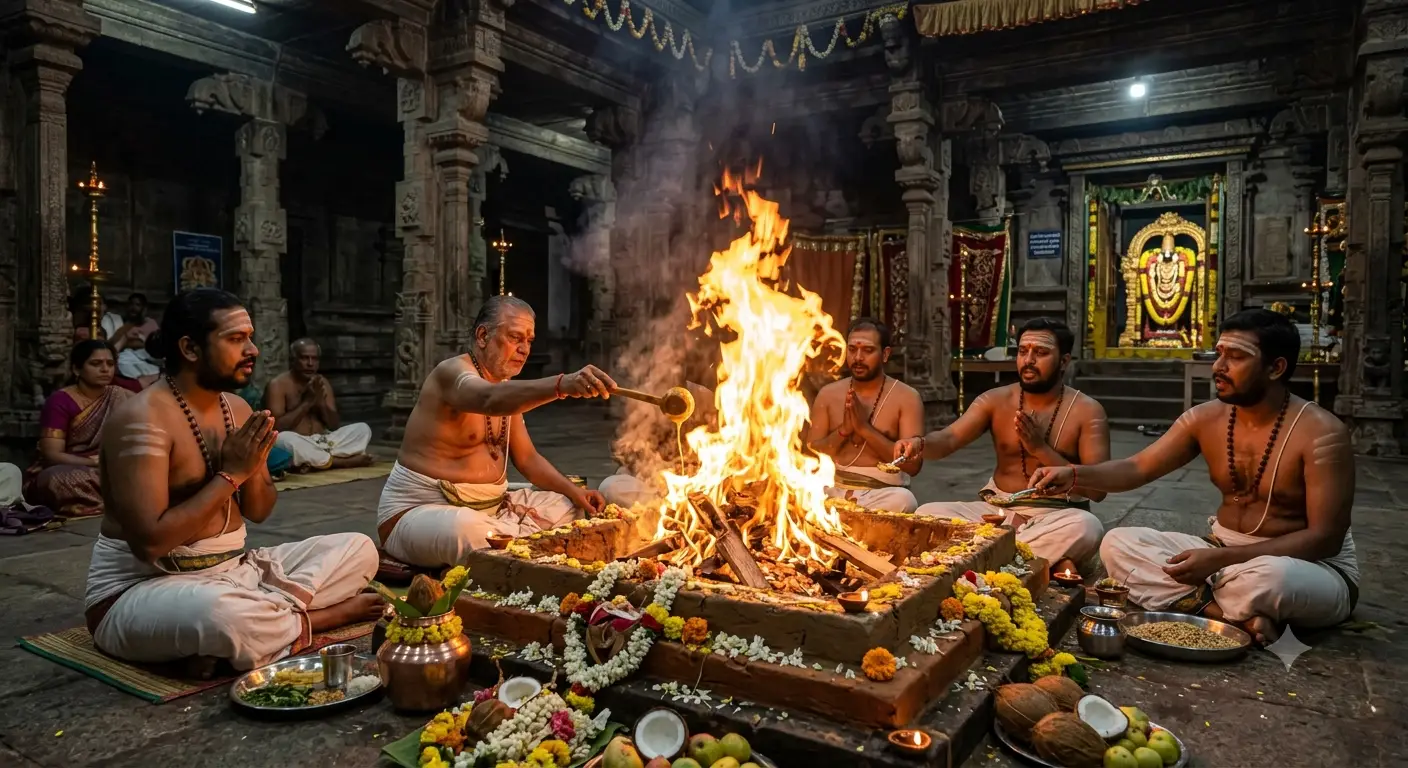
Vedic Method
In the Vedic way of Homa Saadhana, it is practised according to the laid down rituals of Vedas. This needs certain amount of knowledge of Vedas. Therefore, all the people may not be able to practise this type of Homas, because there are varieties in it for various specific purposes.
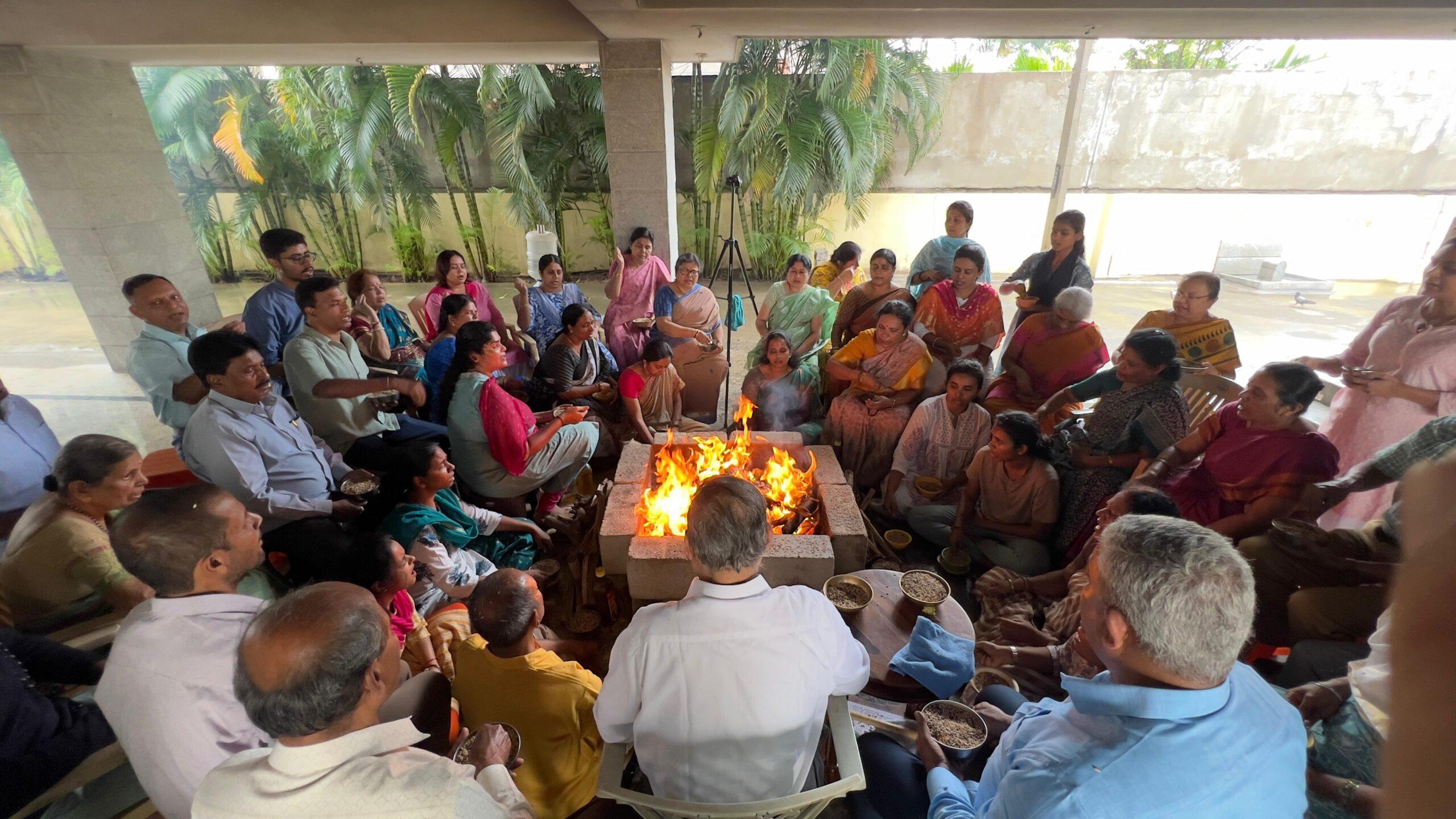
Vedantic Method
Vedantic way of practise: – This sort of Homa/ Havana can be practised by one and all. Here is the description of the Vedantic way of performing Homa. In a copper Homkund vessel put dry cow dung cakes or dry sticks of Peepal tree called Samith and lit the fire with the help of camphor. Now repeat the following mantras given below, one each for three times and start putting small quantities of Akshathas (Rice mixed with pure Turmeric powder) into the fire at the end of each mantra with a bit of Ghee or unrefined sunflower oil.
Agnihotra
ATHA AGNIHOTRAHA
- Sooryaaya Swaaha ; Sooryaaya Idham Namama.
- Prajaapathaye Swaaha ; Prajaapathaye Idham Namama.
- Indraaya Swaaha ; Indraaya Idham Namama.
- Vyomaaya Swaaha ; Vyomaaya Idham Namama.
- Vaayave Swaaha ; Vaayave Idham Namama.
- Agniye Swaaha ; Agniye Idham Namama.
- Varunaaya Swaaha ; Varunaaya Idham Namama.
- Pruthviye Swaaha ; Pruthviye Idham Namama.
- Shaakhaambari Deviyai Swaaha ; Shaakhaambari Deviyai Idham Namama.
- Ashta Dhikpaalakaaya Swaaha ; Ashta Dhikpaalakaaya Idham Namama.
- Loka Samastha Sukhino Bhavanthu ; Samastha Sanmangalaani Bhavathu Swaaha.
- Shaanthih Shaanthih Shaanthihi.
ITHI AGNIHOTRAHA
Note: Vyoma means Aakasha/ Etherial element/ Sky
6. Other Right Sanathan Spiritual Practises
I. Worshipping Sanathan Gods and Goddesses in a traditional manner with devotion or worshipping a chosen deity exclusively and connecting with the deity, emotionally in a balanced way. This method of worship is called Bhahirmukha Saadhana. This way helps us gradually to ascend to any one of the higher orders mentioned above.
II. Visiting temples which are spiritually, divinely vibrant places, where the devotees/Saadhaka’s (Seekers) consciousness is elevated momentarily as long as one is at the temple. This helps in overcoming moderate depression.
The above two methods help a devotee to evolve to higher order which would help the devotee to develop the attitude of serving Sanathana Dharma through any one of the above four methods. Whenever any spiritual Seeker of Sanathana Dharma practises regularly, meticulously any of the above-mentioned Saadhanas will be contributing to the upliftment of Sanathana Dharma because the above practises totally comprises Tapas. Through Tapas everything is possible.
Naama Archanam
Naama Archana is a mental practice and an pure spiritual practice where recitation of the names of the Supreme Being (God) is made loudly where by the divine vibrations spreads into the environment and gradually into the mind of the practicing individual. Through Naama Archana you will be contributing to the revival of Sanathana Dharma at grosser level.
How to Practise?
Keep the photos of the a God forms of your choice. Keep the photo of Goddess of your choice, photo of Lord Shiva and photo of Lord Vishnu on a table at a neat place. Keep a rectangle plate in front of the photos. Keep Kumkum (vermilion), Vibhuti (holy ash) and Akshata (rice mixed with turmeric powder) on the left side of the table.
Now stand before the photos and first recite the name of the Goddess given here and when each name is recited put a pinch of kumkum in a small cup placed in front of the Goddess photo.
After completing the goddess names start chanting the names of Lord Shiva as given here and when each name is recited put a pinch of Holy Ash into to a small cup placed in front of Lord Shiva in the rectangle plate. After completing the recitation of Lord Shiva’s names now begin to recite the names of Lord Vishnu and when each name is recited put a bit of Akshatas into a small cup placed in front of Lord Vishnu in the rectangular plate.
Now Naama Archana is completed and whatever item placed before deity are charged with divine vibration. Now you may take a bit of either Kumkum, Holy ash and Akshata together in a small piece of paper or cover put into your pocket and get on with your activities.
DEVI
ARCHANAM
- 1. Thrayambikaayai Namaha
- 2. Mahaa Maayai Namaha
- 3. Thriguna Rupayai Namaha
- 4. Mahaa Lakshmiyai Namaha
- 5. Mahaa Saraswathyai Namaha
- 6. Mahaa Gowriyai Namaha
- 7. Thrikaalaayai Namaha
- 8. Jnanadaayinyai Namaha
- 9. Vagdheviyai Namaha
- 10. Soubhaagya daayinyai Namaha
- 11. Saathvikaayai Namaha
- 12. Vedamaathaayai Namaha
- 13. Vimalaaya Namaha
- 14. Vishvarupinyai Namaha
- 15. Shubhapradaayine Namaha
- 16. Shaanthaayai Namaha
- 17. Shaakaambari Deviyai Namaha
- 18. Vasundharaayai Namaha
- 19. Gayathri Saavithri Saraswathyai Namaha
- 20. Thrigunatheethaayai Namaha
- 21. Sarvamangalaayai Namaha
- 22. Annapoornaayai Namaha
- 23. Shaaradaayai Namaha
- 24. Veenapaaniyai Namaha
- 25. Daaridranaashinyai Namaha
- 26. Vijnanadaayinyai Namaha
- 27. Vidyaadaayinyai Namaha
- 28. Mokshadaayinyai Namaha
- – Iti Devi Archanam
SHIVA
ARCHANAM
- 1. Shivaaya Namaha
- 2. Mahaa Shivaaya Namaha
- 3. Sadaa Shivaaya Namaha
- 4. Rudraaya Namaha
- 5. Veerabhadraaya Namaha
- 6. Thrinetraya Namaha
- 7. Bhujangabhooshanaaya Namaha
- 8. Mahakaalaaya Namaha
- 9. Thrayabakeshvaraaya Namaha
- 10. GowriShankaraaya Namaha
- 11. GowriShivaaya Namaha
- 12. Kaarthikeya Pitruve Namaha
- 13. Ganapathi Praanadaataaya Namaha
- 14. Kailasapathaye Namaha
- 15. Mrutyunjayaaya Namaha
- 16. Mahaa Mrutyunjayaaya Namaha
- 17. Neelakantaaya Namaha
- 18. Maheshvaraaya Namaha
- 19. Trishuladhaarine Namaha
- 20. Lingaroopaya Namaha
- 21. Viroopakshaya Namaha
- 22. Parameshwaraaya Namaha
- 23. Pashupathaye Namaha
- 24. Mahaadevaaya Namaha
- 25. Bhasmadhaarinyai Namaha
- 26. Kaalabhairavaaya Namaha
- 27. Dhakshinamoorthaye Namaha
- 28. Shubhapradakaaya Namaha
- – Iti Shivaarchanam
SHRIMAN NAARAAYANA
ARCHANAM
- 1. Naaraayanaaya Namaha
- 2. MahaaNaaraayanaaya Namaha
- 3. Vishnave Namaha
- 4. Mahaa Vishnave Namaha
- 5. Shanka chakra gadha dharaarinyai Namaha
- 6. Shreenivaasaaya Namaha
- 7. Shreedharaaya Namaha
- 8. Naarasimhaaya Namaha
- 9. Raamaaya Namaha
- 10. Samadharshine Namaha
- 11. Sarvaantaryaaminee Namaha
- 12. Shaashvataaya Namaha
- 13. Paramashuddhaaya Namaha
- 14. Paramasathyaaya Namaha
- 15. Trivikramaaya Namaha
- 16. Vaasudeevaaya Namaha
- 17. Keshavaaya Namaha
- 18. Ashwatthaya Namaha
- 19. Achyuthaaya Namaha
- 20. Ananthaaya Namaha
- 21. Janaardhanaaya Namaha
- 22. Govindaaya Namaha
- 23. Shree Krushnaaya Namaha
- 24. Maadhavaaya Namaha
- 25. Madhusoodhanaaya Namaha
- 26. Padmanaabhaaya Namaha
- 27. Vaikutavaasine Namaha
- 28. Mokshroopaaya Namaha
- – Iti Naaraayana Archanam
Here or there it does not matter for IT ( Supreme Being / God ) is everywhere, and ever there.
Prayer
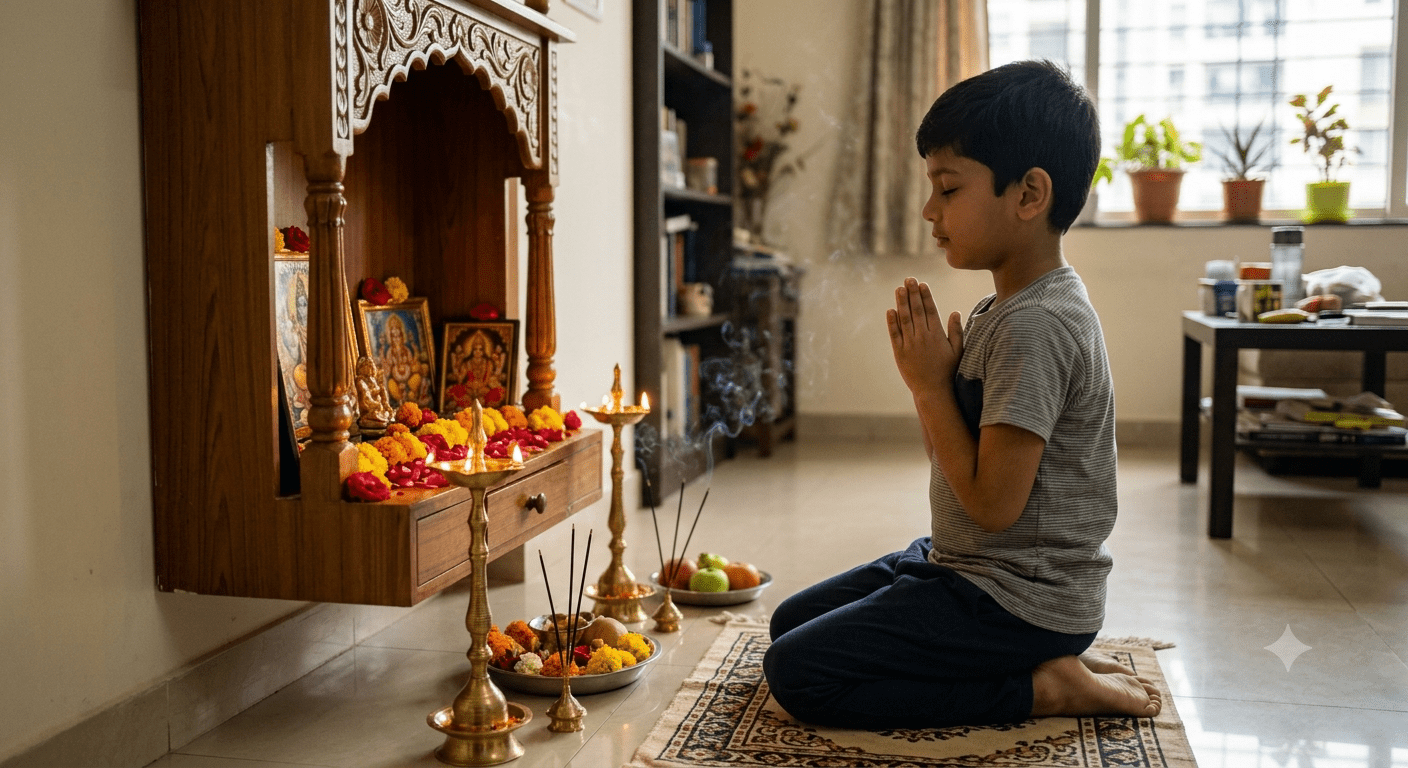
- 1. ‘O’ the supreme Lord of all Gods, you are the creator of the creation, living beings and we the human beings; you are our father, mother and the guardian. We are in total surrender to you. Nurse us and protect us all the times. (Prayer to Etherical element).
- 2. ‘O’ the wind God you are the life giver (Prana) to nature, animals and human beings. We bow down to you with salutations. (Prayer to wind element).
- 3. ‘O’ the sun God, you awaken the world by your light and heat and help the survival of nature, animals and human beings; enlighten our minds, intellect and awaken us into that Divine Consciousness. (Prayer to fire elements).
- 4. ‘O’ the rain God, you cool the earth by your rain and make the nature fresh and green and make it to give food for all the living beings and human beings . We pray to you to keep the earth fresh and green all the time. Our salutations to you again and again. (Prayer to water element).
- 5. O’ the mother earth, you carry all of our weight and forgive all our misdeeds against you and protect all the living beings and human beings in your nest. Salutations to you again and again. (Prayer to earth element).
- 6. ‘O’ the God of obstacles Vigneshwara, your are the remover of obstacle in our daily life. Grace our life free from day to day obstacles. Our prayers to thee (you).
- 7. ‘O’ the mother Saraswathi, you are the Goddess of learning. You are gracing all the living beings with intelligence and awareness for their Survival in this world. We bow down to you and pray for knowledge and wisdom for our evolution to higher order. Salutations to you again and again.
- 8. ‘O’ the goddess Mahalakshmi, the mother of wealth and well being, let your Grace be on us all the time. Salutations to you.
- 9. Mother is our goddess, Father is our God, Teacher is our God, and our revered guests are our Gods. These are our visible Gods. We respect them humbly.
- 10. Let, truth, righteousness, morality and justice be our Guides guiding us from untruth to truth, Ignorance to knowledge and wisdom, and Death to immortality.
- 11.‘O’ the supreme Lord, bless the whole world, nature, all the living beings and human beings to live in peace and harmony and pray you forever and ever.
- “ Let peace and happiness prevail on earth ”
Whispers of Wisdom
- 1. There is nothing greater than being Good. Goodness is not weakness; it is a valour to stand against all odds of life.
- 2. Achievements are not possible without Sacrifice.
- 3. Great people are great because of their great thoughts and deeds.
- 4. When despair and depression creeps into life, HOPE is the guiding light towards better tomorrow. Patiently wait for better tomorrow which is always there.
- 5. A Man of wisdom is ever open to new realms of knowledge.
- 6. Wisdom prevails in the CALM state of Mind, and guides towards right action relevant to the circumstances.
- 7. Selfishness is the door to destruction.
- 8. The purpose of education (vidhya) must be to raise the level of WISDOM. Wisdom is nothing but BROADER comprehension of life. Wisdom alone can guide the society towards sanity and humanity.
- 9. Better quality of thinking (higher thinking) alone can give rise to a better and civilized society.
- 10. Social and political actions to uplift the society must be in conformity with the spiritual righteousness. Otherwise they will be in conflict with TRUTH & NATURE, and will fail in the long run.
- 11. Intelligent persons often do stupid things because of their intellectual arrogance. Arrogance blocks the wisdom.
- 12. Humility is the trait of the Realised; Arrogance is the nature of the Ignorant.
- 13. A good listener alone can become a good teacher.
- 14. Repentance is the best form of atonement.
- 15. Regret not ; failures often leave you with more lessons on life than successes.
- 16. Mind is the cause for the bondage or liberation. If the mind is attached to the senses, it leads to bondage. If the mind is not attached to the sensory world, it releases one to freedom.
- 17. Do your allotted and accepted duties with total application, dedication and discipline which is in your hands, but not the results.
- 18. Find your happiness and joy in the wellbeing of your fellow beings.
- 19. Forgiveness and Gratitude are must traits for a good human being.
- 20. Knowledge is FOR ALL without exception.
- 21. Let knowledge come from all directions.
- 22. Let there be good every where.
- 23. Let all people be happy and live in Peace & harmony.
– M. Mohan Sundar. B.Sc, LLB.
How to Overcome Homosexuality ?
Homosexuality is neither a physiological disease nor a disorder. It is a carried forward Instinct from the past existence.
If an entity was a man in the past existence and takes birth as a woman in the present, the entity continues to have the Instinct of getting attracted to women in this life also despite changes of gender physically. If the entity does not erase the past instinct but encourages the instinct, she tends to become a lesbian.
Similarly, an entity who was a woman in the past existence, but takes birth as a man in the present life, he continues to have the Instinct of getting attracted to man despite change of gender physically in their life. If the past Instinct is not erased, but continued to encourage the Instinct, such a man becomes a gay.
Unless one understands the secret behind homosexuality, it becomes difficult to overcome the past instinct and the tendency. Irrespective of the fact that one believes or not in the past existence, the nature’s gift of change in the gender physically results in this aberration. It is the failure of one’s Mind to adapt to the change of gender physically, and continue to have strong past Instinct intact makes one to become Homosexual.
It is not at all difficult to erase and overcome carried forward past Instinct if one simply follows the path of Yoga.
Because the Instinct is hidden in the subconscious mind and keeps surfacing again and again, it necessary to treat the Mind. Mind can be treated to eliminate many past instincts not only homosexuality but also several genetic disorders strongly imprinted in the subconscious mind, through the practise of Natural deep breathing (Pranayama) and right and correct Meditation.
Natural deep breathing helps in establishing great rhythm between mind and the body. Prana, the cosmic energy brings in the right rhythm and harmony between mind and the body.
Meditation makes the conscious mind (through the repetition of Mantra-Centrifuging process) to dive deep into the subconscious layers of the mind and erase many latent (hidden) instinct, traits and tendencies.
Dedicated practice of natural deep breathing for 5 minutes and right Meditation process for 30 minutes gradually erases the instinct of Homosexuality within 6 months or an year depending upon each case.
As the conscious mind dives deep into its subconscious layers only when it reaches that layer where the instinct of homosexuality is latent it will be erased or released and flushed out. Therefore it takes some time for this to happen however this may vary from case to case.
Once the instinct is erased mind strikes right rhythm with the body of the present existence without fail and proper harmony between the mind and the body will be established.
Will to overcome the homosexual instinct must be there ofcourse.
One has to understand why nature has given a body contradicting the instinct of the mind. It is only a change in the evolutionary process of life. Strike rhythm and harmony with the nature (body) and live happily as nature has willed/desired.
The Eternal Quest
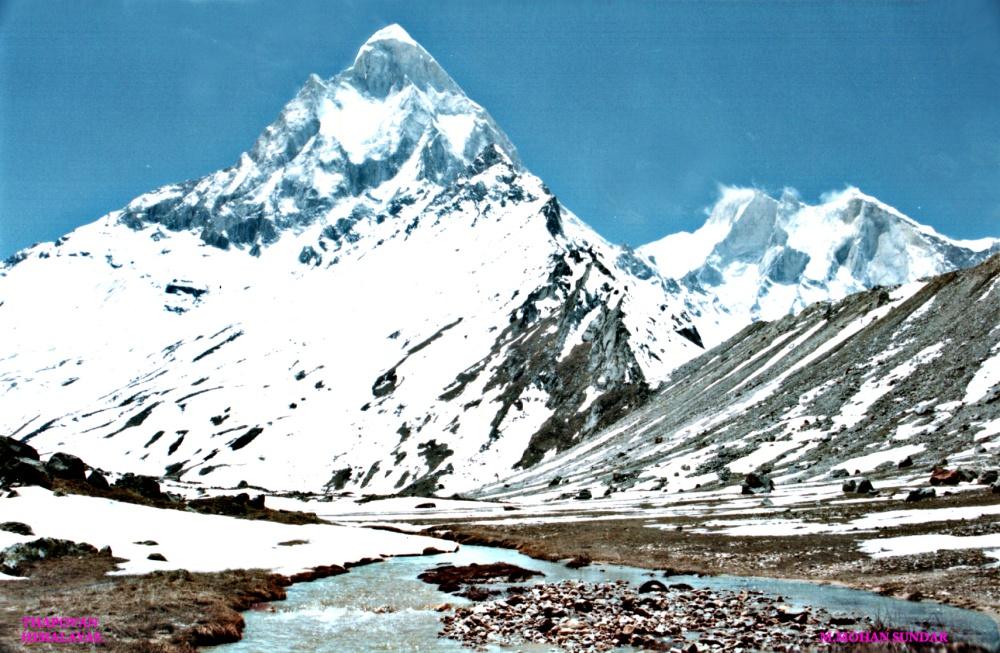
- I don’t know wherefrom I came on to this earth; I don’t know where I go after my death ; yet I undergo all the trials and tribulations of life. And some day death engulfs me.
- I try to find out why I am here ? Who sent me ? and What is the purpose ? Was there a past for me ; I don’t know. Is there a future ; I don’t know. I try to find answers but I find no answers. Many sorrows and sufferings I go through with little cheer now and then. My quest increases to know what is behind this life.
- I go to many sages and saints to know all about life; But I come back more perplexed; quest is on.. I read all philosophical and religious texts the world offers; I find them more confusing and conflicting. Now I know, truth is not there, then where is the truth ? quest is on…
- Someone somewhere suggests “stop searching, turn inward” and I do ; I meditate. Though I get nothing in the beginning I persist; My inner consciousness opened up slowly; many questions were answered. Now I know that I am also part of THAT Universal Consciousness which is behind all this; and creation is ITS play and display; and my goal is to reach that great consciousness, for eternal rest.
- But why all this painful play and display ? May be it is too big a question for the quest to come to an end; May be the quest is answered if I enter into THAT great consciousness for eternity, but then, ‘I’ may not be there to understand IT .
– M. Mohan Sundar. B.Sc, LLB.
Life
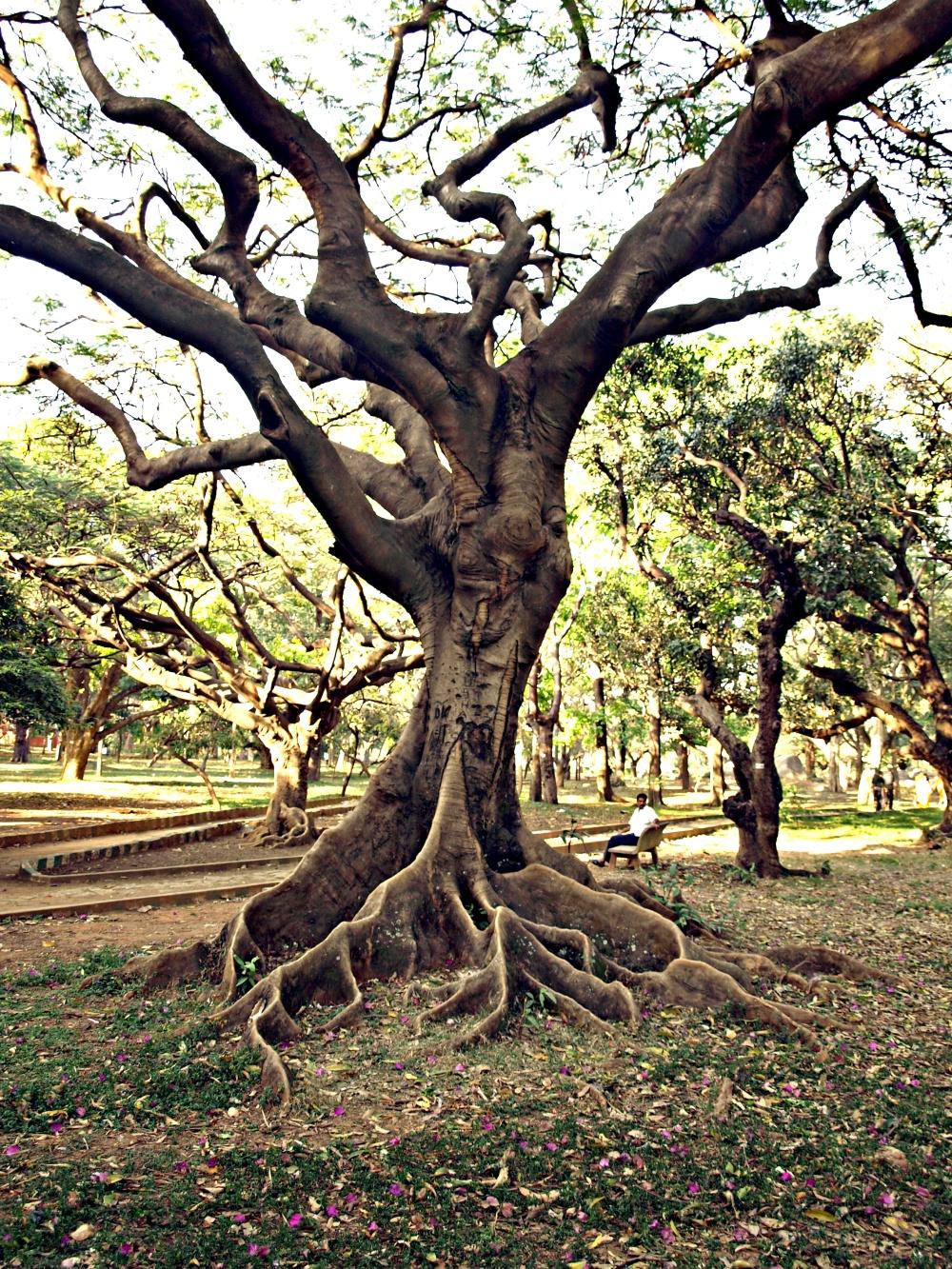
- 1. Life is a battle ; Fight it bravely .
- 2. Life is full of problems ; Face them boldly .
- 3. Life is not permanent ; Problems too are not permanent .
- 4. Happiness & Sorrow are like day & night. You have to live through them ; Inevitable.
- 5. Life is for living ; Not to run away from it .
- 6. Help your fellow beings without any expectations ; Peace and Happyness will be yours .
- 7. MEDITATION is the best solace to life .
– M. Mohan Sundar. B.Sc, LLB.
Gradual Results of Regular practise of Sahaja Pranayama & Universal Meditation
- 1. Flushing out the carcinogenic radio-frequency electromagnetic waves accumulated in the brain and body due to the use of cell phones, computers and other electronic devices.
- 2. Elimination of Tensions, Pressures and Stresses of day to day life.
- 3. Increased tolerance, reduced irritability.
- 4. Reduction of Pain , Sorrow, Anger and Frustration.
- 5. Elimination of Perversions of mind and Suicidal tendencies.
- 6. Increased calmness of mind ( Peace ).
- 7. Improved concentration, memory, grasping power and increased positive thinking.
- 8. Increased Self confidence and Self control.
- 9. Better Self management.
- 10. Better Physical health and Tension free life.
- 11. Better Social behaviour through increased Stability, Adaptability and Flexibility.
– M. Mohan Sundar. B.Sc, LLB.